
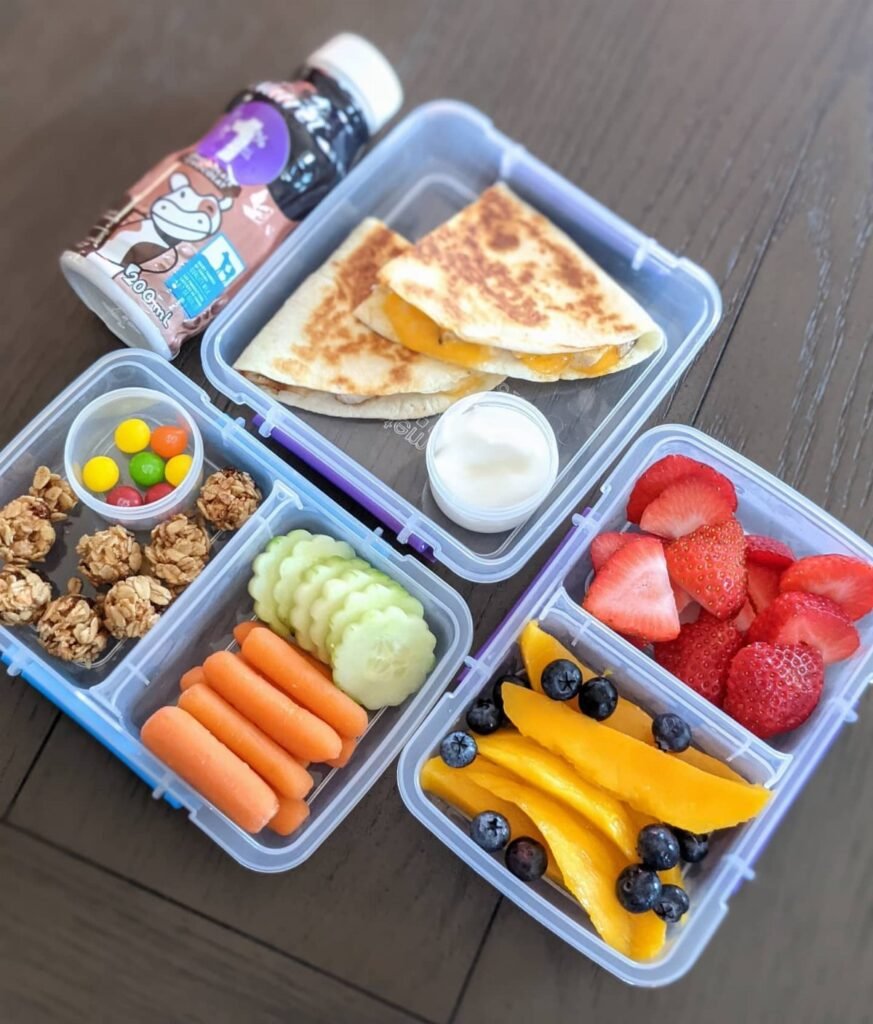
The 19 ideas here run from a $1.81 DIY Lunchable box to a copycat Chipotle bowl, with weeknight effort ranging from Sunday batch baking to five minutes of assembly the morning of.
The deciding factor is which gap you are filling: a thermos-worthy hot lunch like the quesadilla or French bread pizza, a room-temperature pack-and-go like the hummus box or pinwheel sandwiches, or the something-extra like ants on a log or a yogurt parfait that gets a picky eater to open the box at all.
1. Cheese Quesadilla
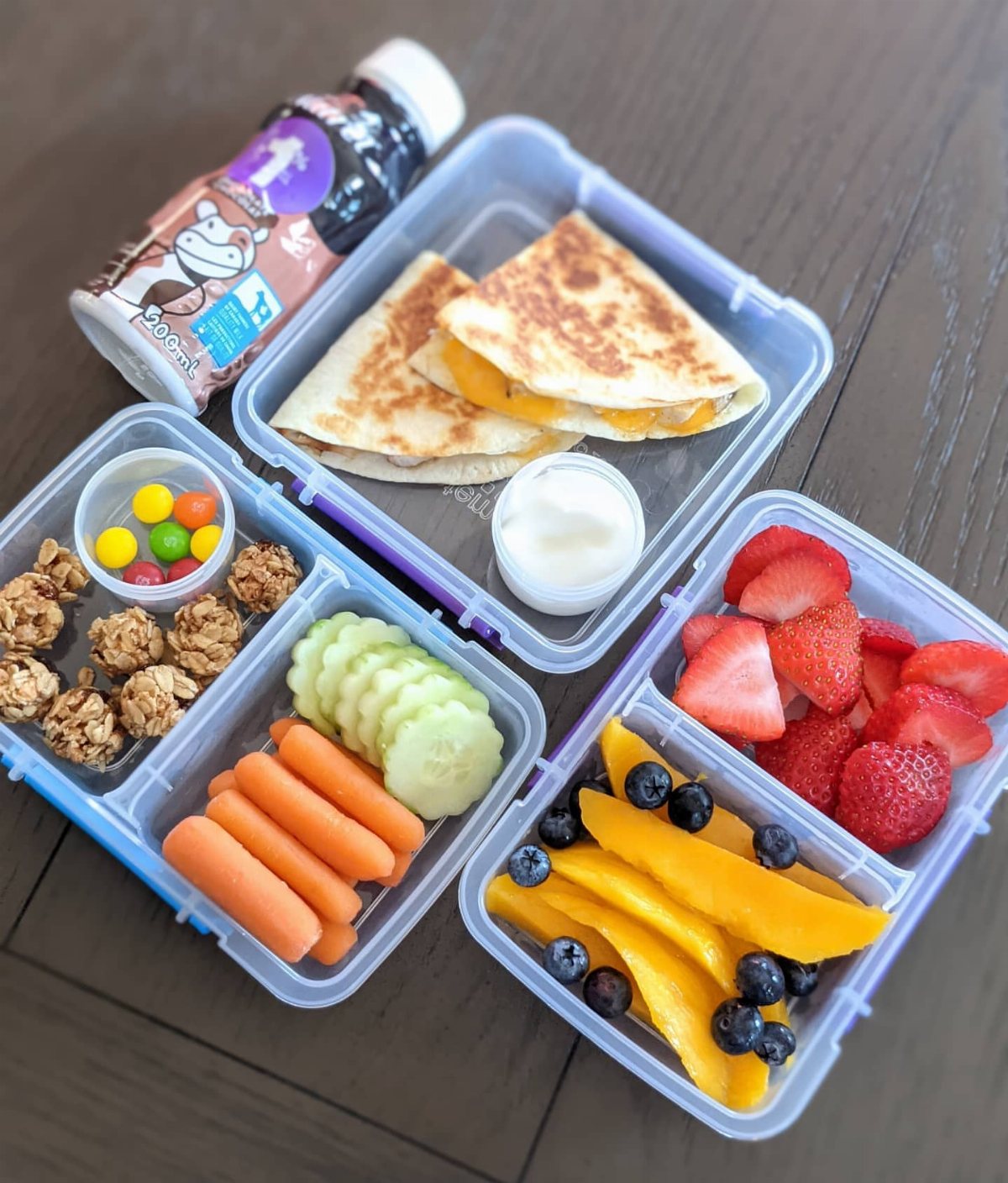
A cheese quesadilla folds warm comfort into something a small hand can actually manage.
I keep kidney beans in the mix for protein that sticks with them through math class; the cheese melts into a binder that holds everything together even when the lunchbox sits cold.
Salsa on the side lets them control the heat.
This is the lunch I pack when I forgot to plan. Fold and slice into wedges once the cheese melts and the tortilla turns crisp.
Fruit and vegetables on the side round out the plate without extra planning.
2. Build-Your-Own Pita Pizzas

Pita bread holds up better than English muffins or bagels, which is why this version works for actual transport.
I pack the components separate: one small cup of sauce, another of shredded mozzarella, pepperoni slices in a third, and the pita round stays dry until they assemble it at the table.
Kids treat it like a craft project they get to eat.
Bell pepper bits or sliced olives can ride along as options they may or may not use. Let them pick their own toppings; the lunch goes down easier when they chose it.
I have watched a child eat olives on pizza who would not touch them anywhere else.
3. One-Pot Mac and Cheese
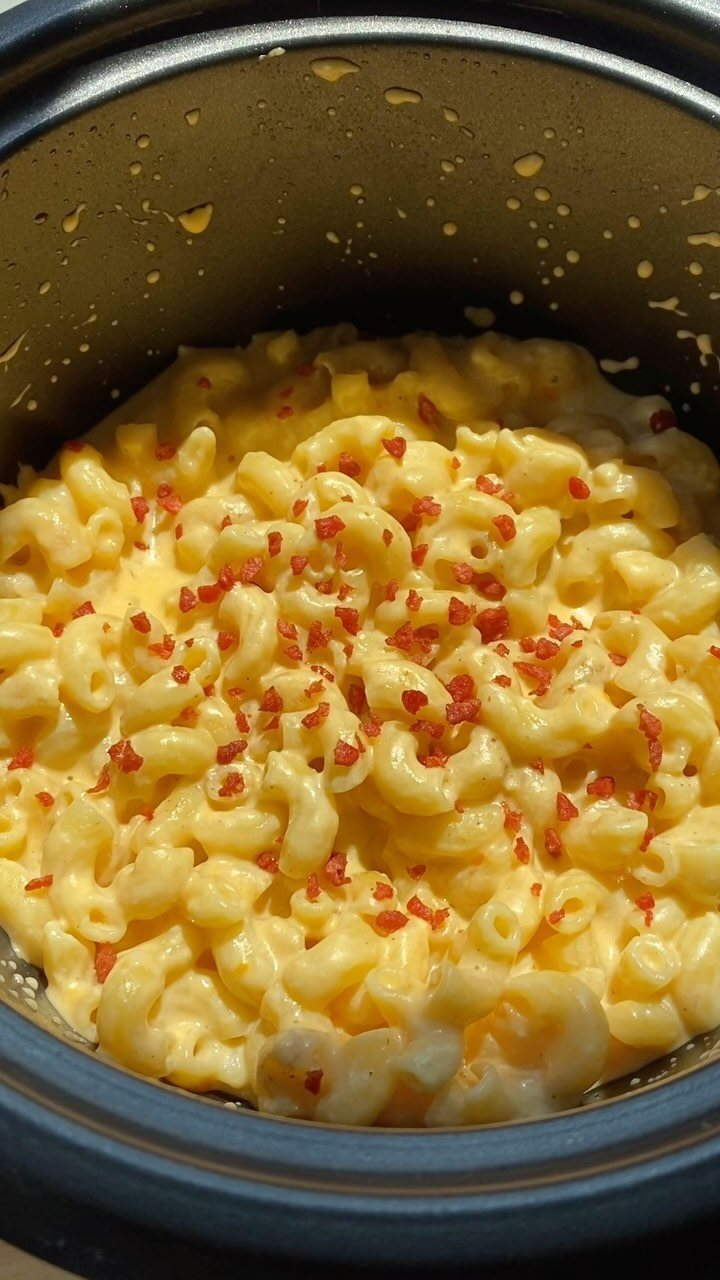
One pot means one thing to wash, and that matters on a Tuesday night when homework still looms.
I cook the macaroni directly in milk and cheese; 30 minutes from box to bowl, though I usually make it Sunday and reheat into a thermos.
The bacon bits or chili flakes on top are optional heat for kids who have graduated past plain.
A preheated thermos keeps this warm until the lunch bell. Without that step, you are packing cold pasta, which some kids will eat and some will trade away.
4. Pinwheel Sandwiches

Cream cheese spread on a tortilla acts as glue for deli turkey, cucumber slices, and whatever vegetable I am trying to sneak past the radar. Roll tight, chill for an hour, slice into rounds.
The spiral cross-section looks store-bought, which matters to a kid who cares what the table thinks.
Whole-wheat tortillas, deli turkey and cream cheese make this one of the cheaper protein options that still looks like something. Grapes or an orange on the side finish it.
A thin layer of filling holds its shape; a bulging roll will flatten in a backpack.
5. Hummus Box
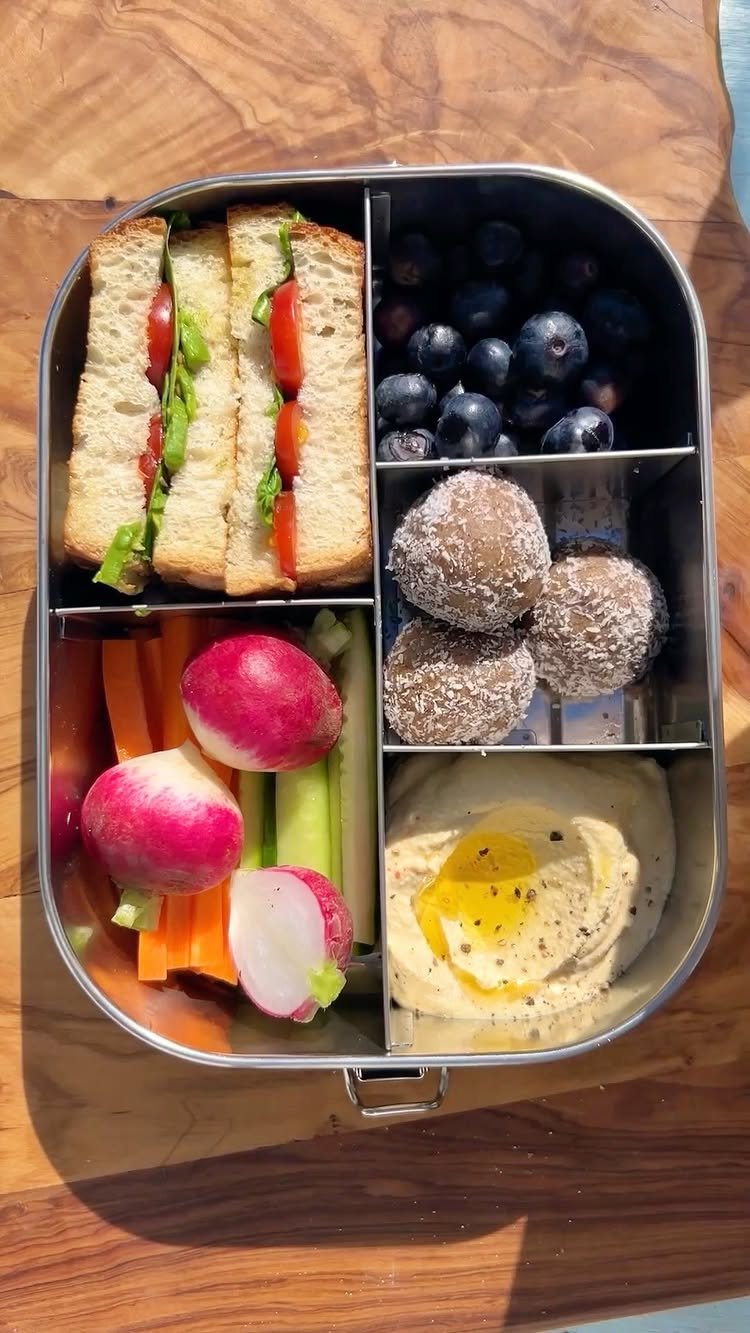
Hummus carries protein without demanding a fork, which makes it ideal for the lunchbox dipper.
I pack a half cup in a sealed compartment with pita triangles cut from one whole grain round, plus whatever vegetables are wilting in my drawer.
Radishes and celery hold their crunch; tomatoes I leave out unless they are cherry-sized and firm.
A stainless steel bento box keeps the wet away from the dry, though any divided container works. A pool of olive oil on top means better quality hummus; the cheap tubs never have it.
6. Rice and Beans
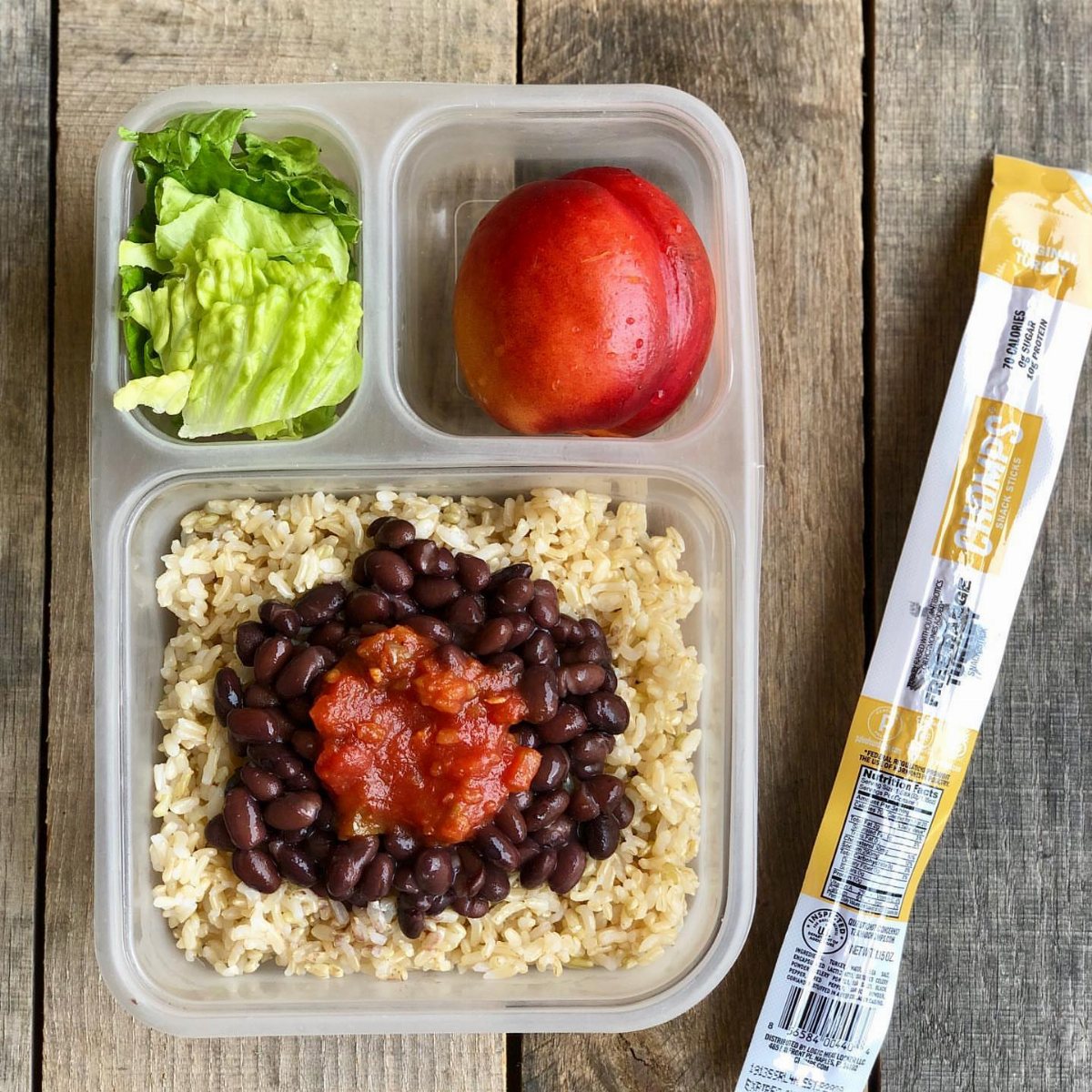
Brown rice and black beans with salsa is the lunch I pack when I want them full through after-school practice. I cook the rice the night before, warm everything together in the morning, and pack it into a preheated thermos.
The nectarine rides separate; lettuce goes in as a cold contrast they can mix in or ignore.
This is not a beautiful lunch. It is a practical one, protein and fiber in a combination that costs cents per serving and reheats without complaint.
The Chomps stick in the photo is optional meat for days when they need extra calories I did not have time to cook.
7. Egg Bites

Egg bites bake in a muffin tin and hold their shape through the morning commute. I whisk eggs with diced peppers and spinach, pour into greased cups, and bake until just set.
They eat cold or warm; a thermos keeps 2 or 3 hot until lunch.
These fit the week I batch-cook on Sunday and want nothing to do until Friday. The vegetable bits keep them from reading as breakfast, though a child who objects to green can pick around it.
Cheese on top forms a lid that hides what is underneath.
8. Egg Salad Sandwich

A boiled egg, mayonnaise, and a little mustard spread between whole grain slices is the sandwich that costs least and satisfies longest.
I mash the eggs with a fork, not a blender; the texture matters to a kid who notices everything. Lettuce goes between bread and filling so the bread does not turn sodden by noon.
This is the lunch for mornings when the fridge holds almost nothing. Papaya or grapes on the side add sweetness without candy.
Whole wheat crackers carry the same mixture fine when bread is gone.
9. Pizza Muffins
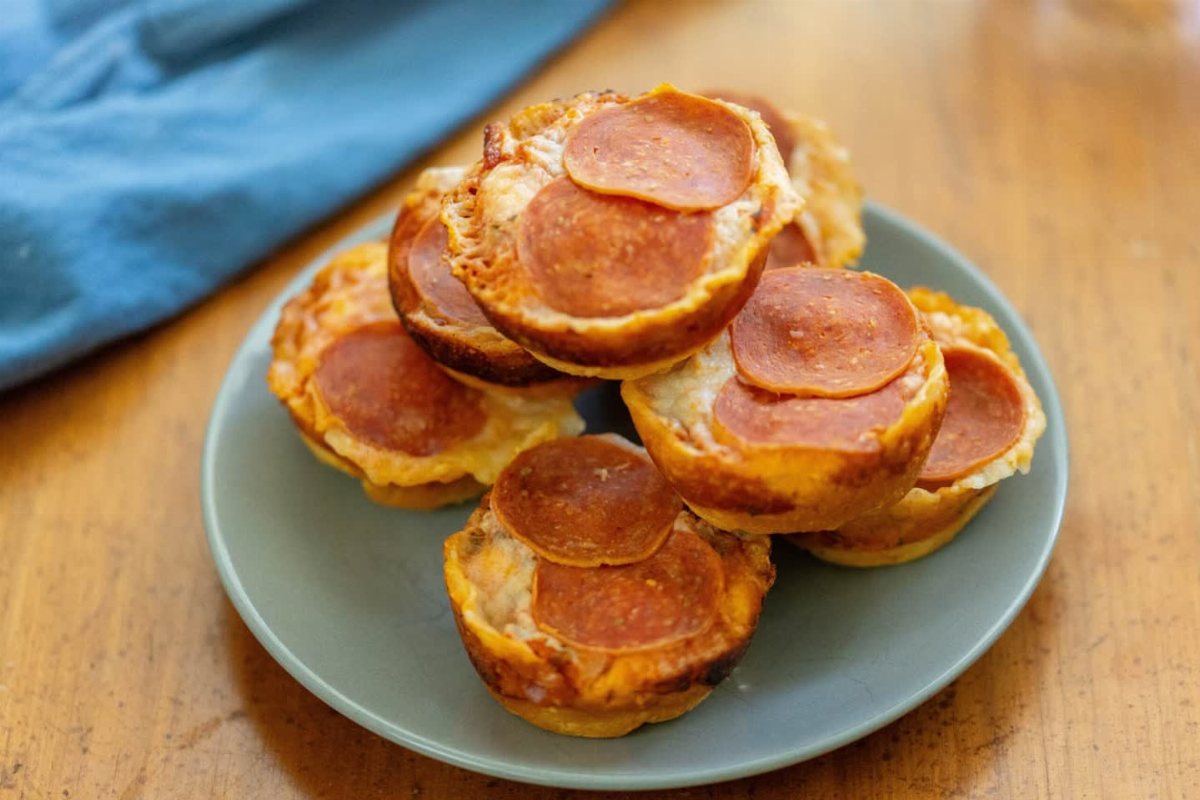
Pizza muffins bake in the cups your cupcake tin leaves empty all week. I press biscuit dough up the sides, spoon in sauce and mozzarella, top with pepperoni rounds, and bake until the cheese bubbles.
They hold their heat better than a slice; the sealed edges keep sauce off shirts.
Zucchini grated into the batter adds vegetable a child will not see coming. I make 24 on Sunday, freeze half, and pull them out the night before.
Two fit a lunchbox with a small container of ranch for dipping; the muffins are dry enough to eat without it.
10. Banana Chocolate Chip Muffins

Brown bananas become something a child will ask for when you mash them into batter with chocolate chips scattered through. Mini muffins finish fast enough to cool on the rack while I hunt down the lunchbox.
The chips read as dessert while the banana does the moistening work that oil would have. I wrap 2 in parchment so they do not stick together; by lunch they are soft but intact.
This is the snack that disappears first, before the sandwich even.
11. Chocolate Chip Cookies

A Sunday batch of chocolate chip cookies means homemade treats through the week instead of the usual packaged stuff. I pull them while the center still looks wet; soft cookies survive the lunchbox and crisp ones do not.
Parchment between layers keeps them from fusing in transit.
These are not the main event; they sit beside the sandwich as punctuation. Homemade costs less than store-bought per cookie and avoids the palm oil aftertaste I notice even if the kids do not.
One batch fills the week if I hide them well enough.
12. Veggie Salad
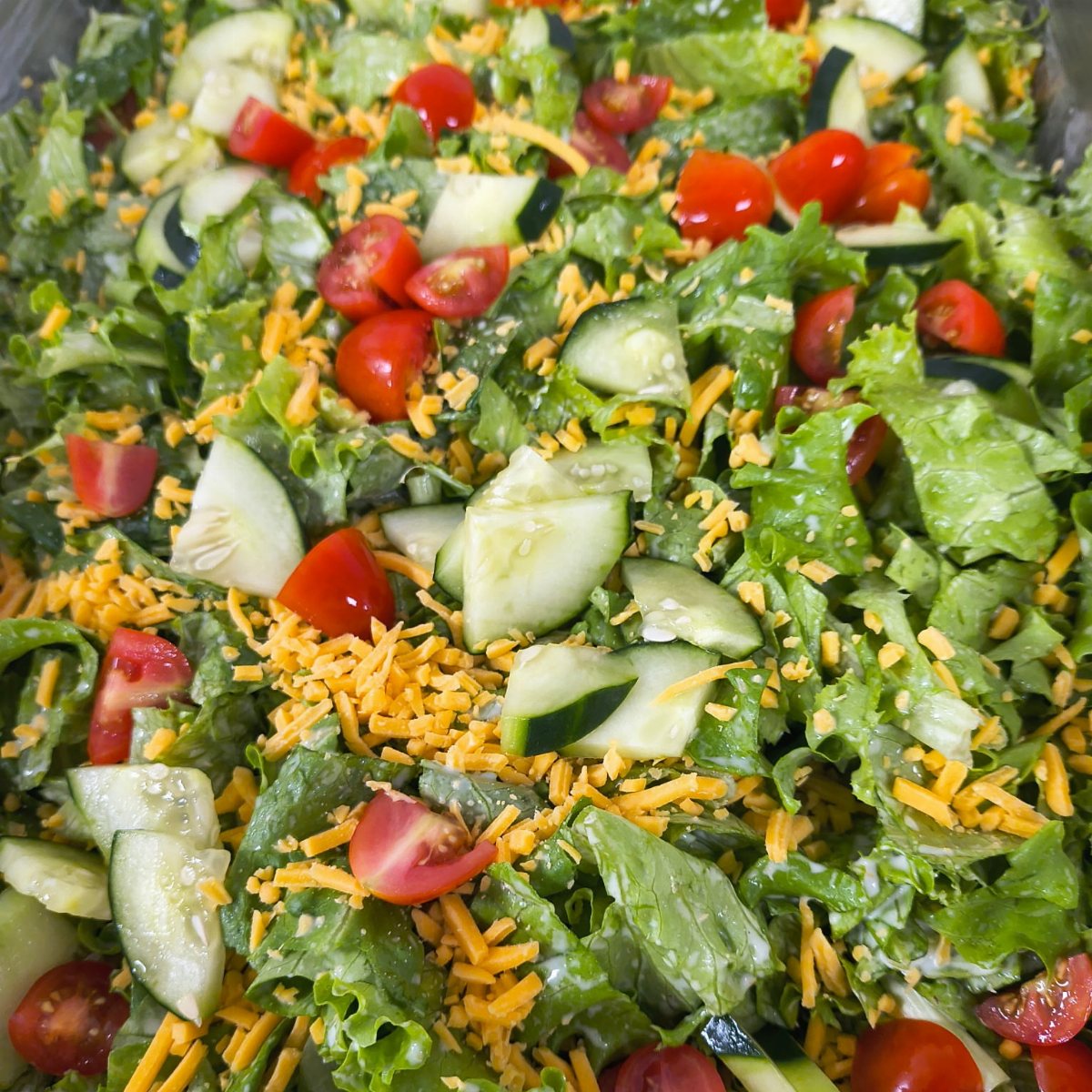
I cut everything bite-sized; a whole leaf is a challenge at a cafeteria table. Dressing rides in a separate container, or I skip it and let the cheese carry the flavor.
Green bell pepper works in place of cucumber when that is what the drawer offers. A real fork, not the spork from the set, is the one that actually gets used.
This lunch looks like effort to a kid who cares about that; it is not, but I do not correct them.
13. Fruit Salad
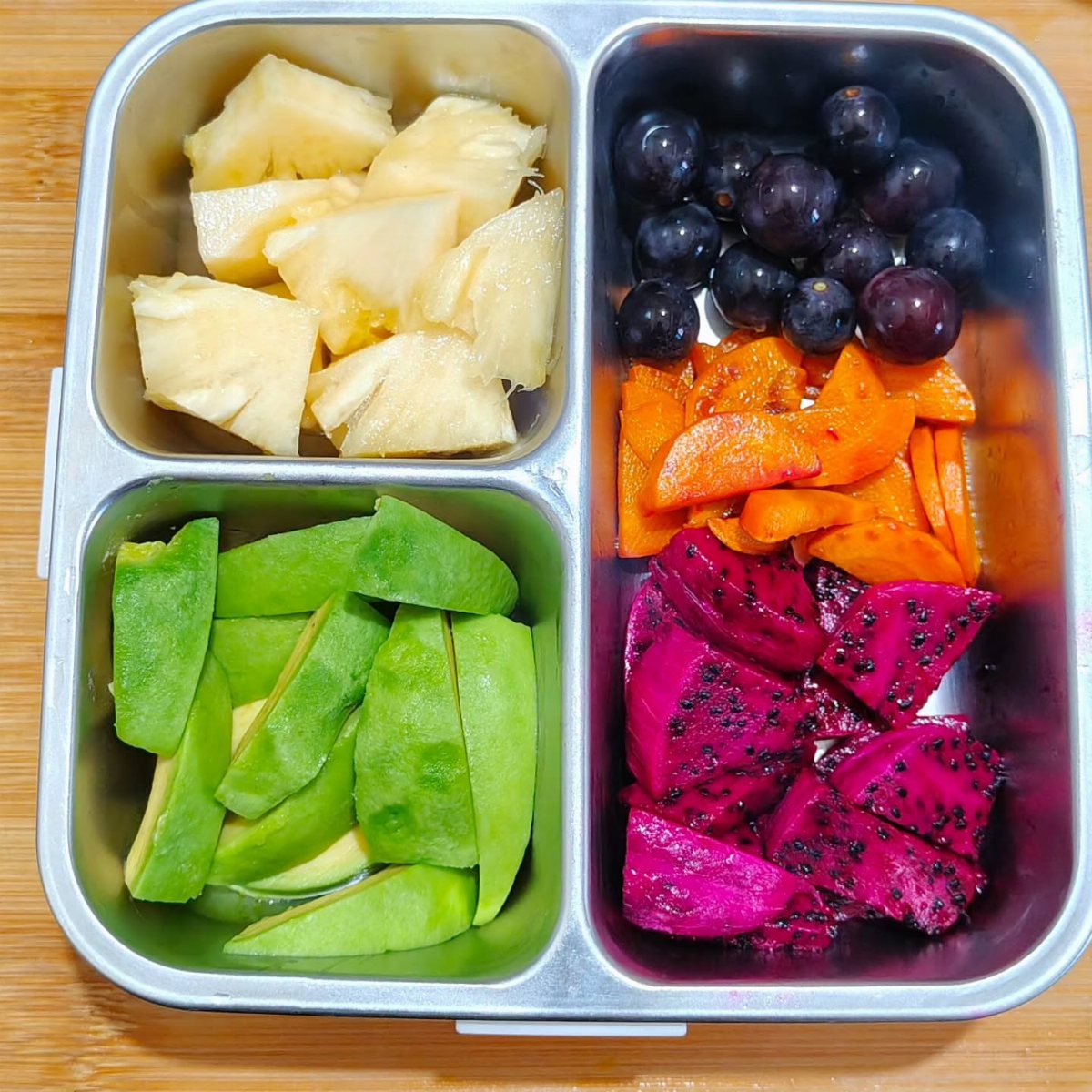
Pineapple and dragon fruit turn a side dish into something a child actually opens. I cut everything into pieces that fit a small fork; no whole grapes, no awkward wedges.
Seasonal fruit keeps the cost down and the flavor up. Avocado goes in last so it does not brown against the harder fruit.
A squeeze of lime holds color without the syrupy glaze of the pre-cut cups.
This is the lunchbox I pack when the main dish is heavy and I want balance without arguments. A bento box keeps wet fruit away from crackers or cheese without extra wrapping.
14. Copycat Chipotle Burrito Bowl
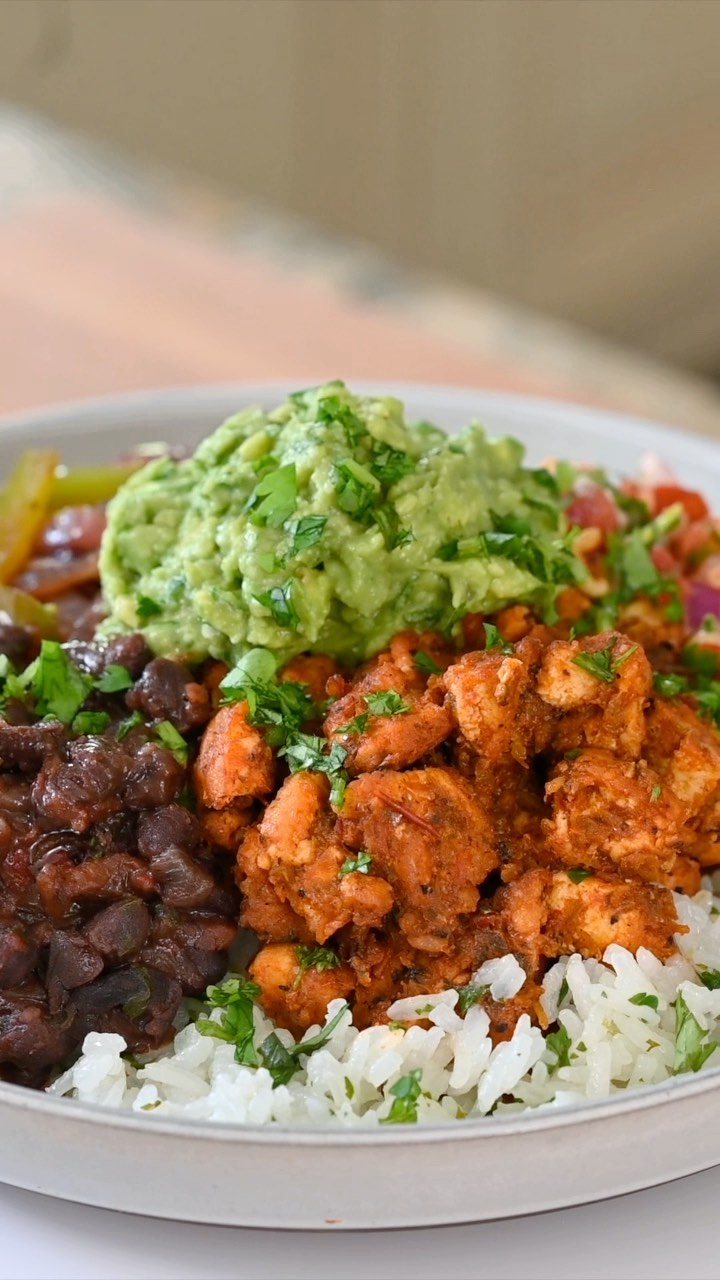
I build it at home for a fraction of the counter price and pack components touching so the flavors marry by noon.
Cilantro on top is optional; my child picks around it, my niece eats it by the handful. Warm the rice and chicken before packing if you have a thermos, or serve cold with extra salsa to wake it up.
This one satisfies the appetite that grows between third period and practice. Build it mostly rice and beans, protein in the middle, greenery as accent rather than bulk.
15. Cheese Board ‘Lunchable’ Box
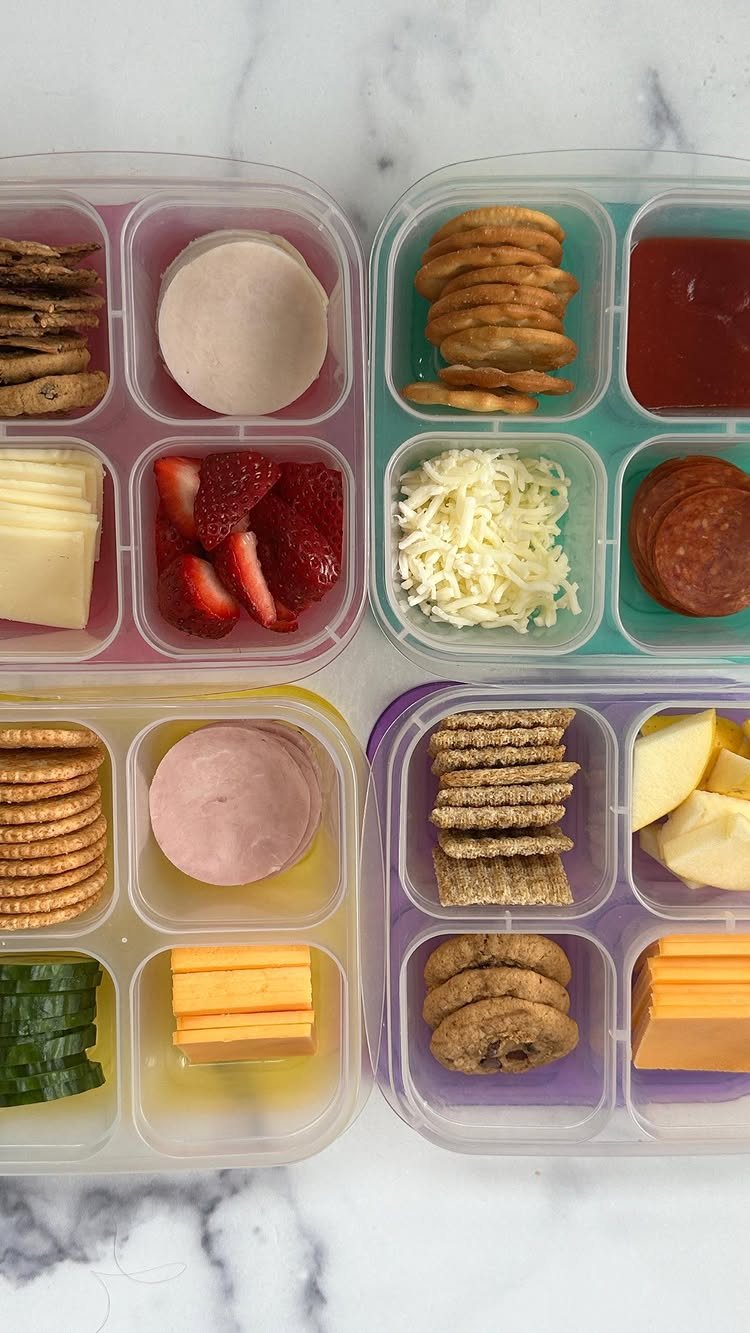
Stacking crackers, cheese, and deli meat themselves turns lunch into something a child controls.
I use whole-grain crackers, 2 oz. of cheese cut into squares, and 2 slices of ham or turkey folded to fit; total cost runs $1.81 to $3.41 depending on the meat choice.
Cucumber rounds and grapes fill the compartments that would have held candy in the store version. Prep 3 days ahead and refrigerate with an ice pack; no cooking means no morning delay.
This is the lunch for the week I cannot face the stove. Tell them they are building their own; the phrase matters more than the ingredients.
16. Bento-Style Containers
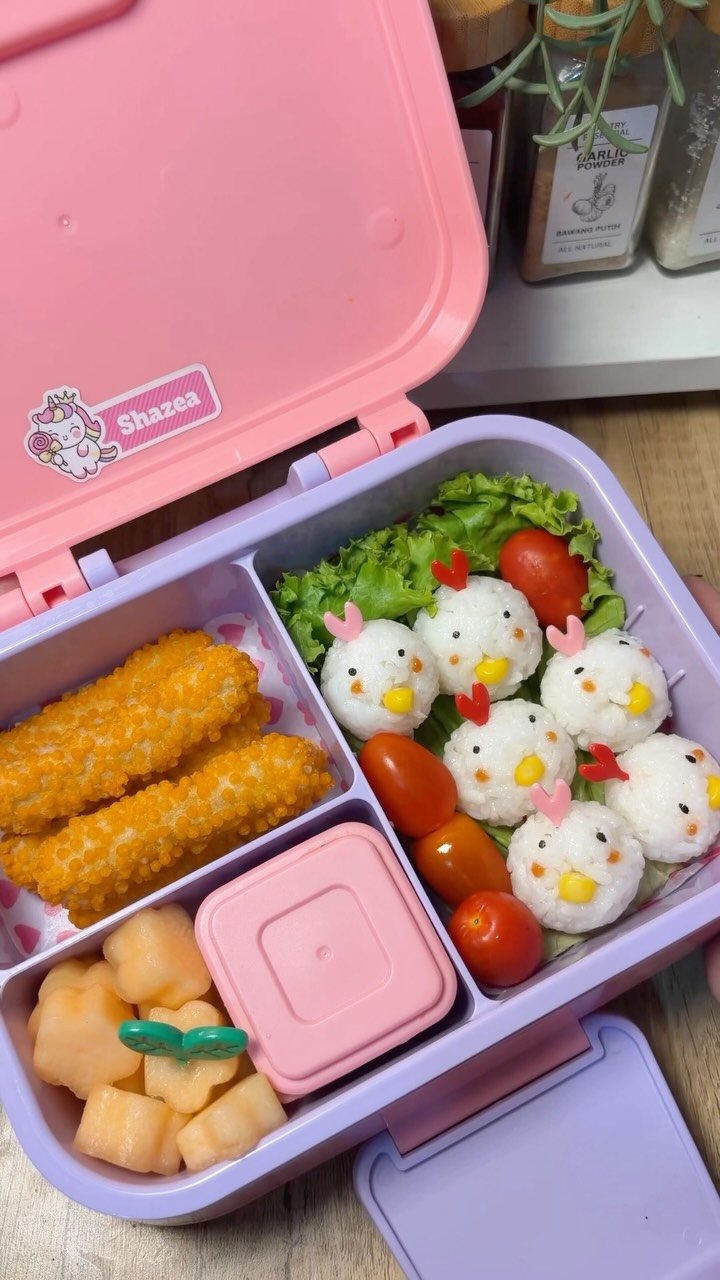
Divided boxes keep the rice ball from rolling into sauce, which matters more to some children than taste. I use the compartments for contrast: one grain, one protein, one vegetable, one fruit, each visible before a lid lifts.
Rice molds shaped like animals take almost no time and get noticed at the table. Small fruit forks or a Sharpie doodle on cheese wax turn ordinary into something a child shows a friend.
The container itself does the organizing; I do not have to think about what touches what. Pack for room temperature or chill with an ice pack; either way, nothing sits in pooled dressing by noon.
17. Yogurt and Fruit Parfaits
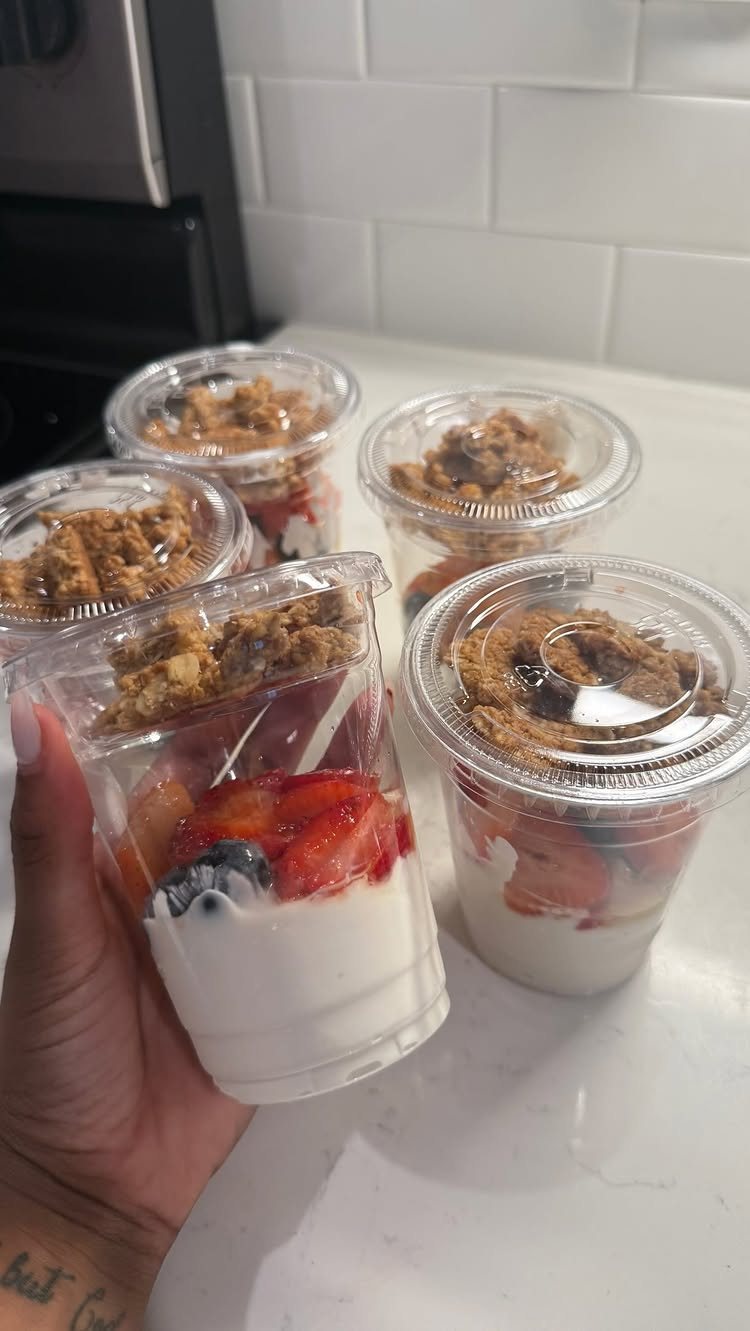
Layers of yogurt, berries, and granola in a clear cup let a child see what is coming before they dig in.
I build them the night before and keep granola in the top compartment until morning; soggy crunch is worse than no crunch at all.
Low-fat flavored yogurt carries sweetness without the added sugar of dessert cups. Fresh strawberries and blueberries go in raw; no cooking, no slicing beyond halving what is too large for a spoon.
This is the lunch for the child who grazes rather than commits. The layers let them eat in order or stir together; either way, protein and fruit go down without negotiation.
18. French Bread Pizza

A baguette sliced lengthwise carries more crunch than standard crust and holds up to packing without turning limp. I top with sauce, mozzarella, and pepperoni, then bake until the cheese bubbles and edges turn crisp.
The slices cool on a rack so the bottom does not steam soft. They eat well at room temperature; a thermos is unnecessary and the texture stays intact until the lunch bell.
Zucchini under the cheese adds vegetable no child has ever identified. Two pieces fill the box; three if practice follows school.
19. Ants on a Log
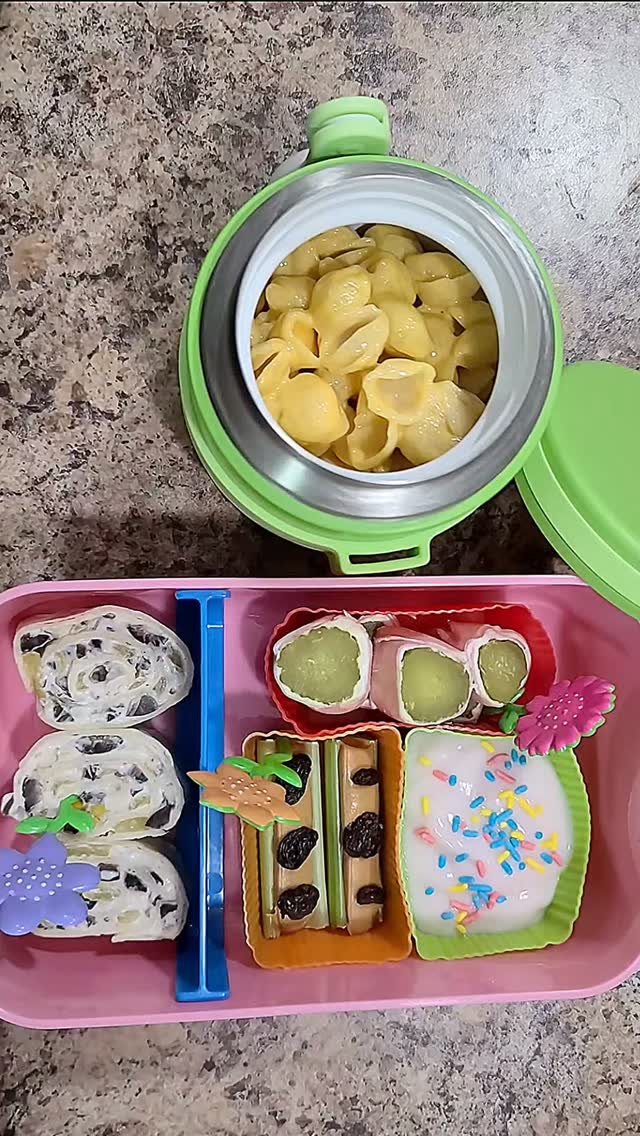
Celery ribs filled with peanut butter and studded with raisins look like a snack from an old cookbook because they are, and that is exactly why they still work.
A child who rejects vegetables on principle will eat this because the construction feels like play.
Sunflower seed butter substitutes for the peanut-allergic lunch table; the texture is the same, the flavor milder. Cut the celery into kid-size lengths so a small hand can manage the load without snapping the rib.
This is not a whole lunch. It is the vegetable and protein component that fills a gap when the main dish runs light.
Pack 3 pieces in a small container and trust the novelty to do the rest.
Tips for Packing Lunches
I lay out containers, dry snacks, and anything that won’t wilt the night before, then drop in fruit or a cold pack on the way out the door.
The 5 to 10 minutes you save before coffee matters more than the time itself.
A thermos needs a hot rinse first: I run tap water as hot as it gets, fill it to the brim, let it stand while I pack the rest, then dump and ladle in soup or pasta.
Pasta and soup hold their heat until the lunch bell that way.
Let a child spread cream cheese or sprinkle Parmesan. The involvement changes whether they open the box willing or wary.
Small constructions help too: rice molds, fruit skewers, a doodle on cheese wax. The novelty gets them to try what they might otherwise push aside.
Involving Kids in Lunch Prep
A child who helped build the lunch opens it differently than one who found it waiting. Spread, sprinkle, pour: the small tasks matter to them even when they cost me time.
The waste drops when they chose what is inside. I have thrown away less of what my son assembled than what I assembled alone, even when his combinations looked strange to me.
The lunch box becomes proof of their own decision, not an assignment from a parent they may already be tired of.
Picky eating softens when the food carries their fingerprints. Not always, and not completely, but enough to matter across a semester.
Using Leftovers
Leftovers are the lunch I do not have to invent. If I am already cooking dinner, the work is mostly done.
Shredded chicken over rice travels fine; I pack salsa or soy sauce in a separate lid so the rice stays its own texture until noon.
Chili is the one leftover that improves overnight and stays piping hot in a thermos past the last bell. A doubled batch of meatballs on Sunday means lunch on Tuesday without additional cooking.
Mac and cheese seizes up in the thermos; I cook the sauce a little thinner than usual and send a fork for stirring it back together at the table. Spaghetti sauce from Monday becomes pasta for Wednesday with one reheating.
A pork shoulder on Sunday becomes rice bowls Monday, quesadillas Tuesday, and the last scraps get fried crisp for Wednesday’s ramen topping. That is the math that makes weeknight cooking sustainable.
One pot, multiple meals: the leftover is not an afterthought, it is the plan.
Healthy Lunch Components
A balanced lunch does not need to look balanced all at once. Protein, fruit, vegetable, dairy, whole grain: the combination across a week matters more than each box every day.
Ham and cheese on whole wheat, yogurt, apple slices, carrot sticks: this covers the groups without trying to be perfect. A small cookie in the box acknowledges that lunch is also something a child wants to open.
String cheese, green peppers with dip, strawberries, peanut butter and banana on whole wheat: these are the components, mixable across days. The grain carries the protein, the fruit carries the vegetable, and neither has to be the star every time.
What matters is offering the range, not achieving it in every single meal.
Frequently Asked Questions
What is the best thing to eat for lunch at school?
A balanced lunch with protein, fruit, vegetable, dairy, and whole grain covers what a child needs, though not every box needs all five at once.
A small cookie in there acknowledges that lunch is also something a child wants to open.
What’s a good lazy lunch?
The cheese board lunchbox is the one I pack when I cannot face the stove: whole-grain crackers, 2 oz. of cheese cut into squares, and 2 slices of ham or turkey folded to fit, with cucumber rounds and grapes filling the other compartments.
Total cost runs $1.81 to $3.41 depending on the meat choice.
What to give kids instead of sandwiches?
Pita pizzas packed in separate containers let them assemble at the table, and pinwheel sandwiches made with cream cheese, deli turkey, and cucumber rolled tight and sliced into rounds change the format enough that kids treat them as something new.
Rice and beans in a preheated thermos, egg bites baked in a muffin tin, or a hummus box with pita triangles and vegetables all skip bread entirely.
What are typical school lunches?
The cafeteria tray averages around $3.09 as of 2025, though that figure is likely climbing, and what lands on it has shrunk as funding cuts and worker shortages hit school kitchens.
Sandwiches and wraps are the usual answer, but I also pack quesadillas, mac and cheese in a thermos, burrito bowls, pizza muffins, and leftovers like chili that improves overnight.
The homemade versions cost less and avoid the limp vegetables and repeated flavors that come with institutional cooking.