This list runs from a 5-minute green bean roast to a 30-minute stirred risotto, with make-ahead options at every step.
The deciding factor is your oven situation: one oven demands sides that rest while the roast finishes, and a second oven or willing guest opens the door to dauphinoise potatoes and Yorkshire pudding baked in hot drippings.
The Boursin cheese block that melts into the broccoli and cauliflower casserole sauce is the kind of store-bought shortcut this entire list was built around.
1. Roasted Green Beans

Roasted green beans with garlic and crispy onions hit that rare spot between simple and special. The parmesan on top gives a salty crunch that stands up to prime rib without competing with it.
I start with fresh beans, toss them in oil and minced garlic, then roast them hot until the edges wrinkle and char in spots.
The crispy onions go on at the end, or buy a can of French’s and call it done. The lemon wedges on the side are not decorative; a squeeze cuts through the fat on the plate.
Prep is 5 minutes, and the oven is already hot from the roast.
2. Creamy Mashed Potatoes
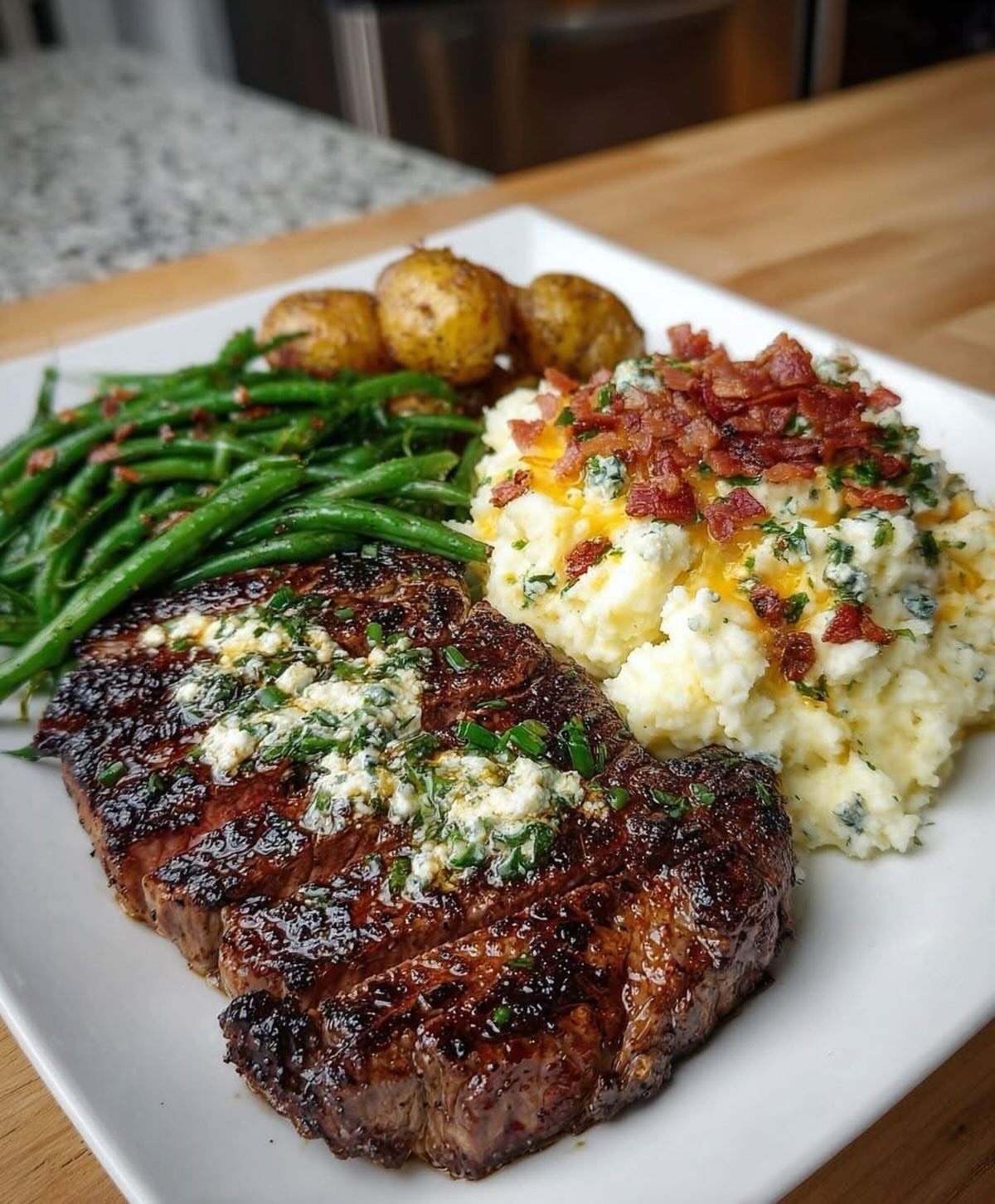
Prime rib demands mashed potatoes that can hold their own. Mine get heavy cream and real butter, nothing light, because the meat is rich and the sides should match that energy.
I make them an hour ahead and hold them in a slow cooker on warm, which frees the stove for gravy and last-minute vegetables.
Bacon and melted cheese turn these into loaded potatoes, a move I save for when the roast itself is plain, no herb crust or red wine sauce. Too much richness on every part of the plate and nobody tastes anything.
For a classic version, stick to cream, butter, and salt.
3. Honey Glazed Carrots

Honey glazed carrots balance a prime rib plate the way acid balances a cocktail. The sweetness is gentle, not candy, and the herbs keep them firmly in the savory column.
Baby carrots roast faster and look tidy on a holiday plate, but regular carrots sliced on the bias work fine and cost less.
I use honey, not brown sugar or maple syrup; it caramelizes at a lower temperature and gives a thinner, less sticky glaze. A hot oven is what gets color on carrots without turning them to mush.
They hold off heat for a good stretch, which matters when the roast is resting and you’re juggling plates, sauce, and whatever else.
4. Twice-Baked Potatoes

Twice-baked potatoes are a project, but they earn their place when the prime rib is the star and you want the sides to feel like an event too.
Bake, scoop, mix with cheese and whatever else you like, then back in the oven until the top browns.
I swap in bacon and green onion when I want something bolder, or corn and caramelized onion for a sweeter version that pairs well with horseradish on the meat.
The potato skin becomes a crisp shell, so oil the outside well at the first bake.
These take their time, so plan for it; make extra, since they reheat well the next day.
5. Mushroom Risotto
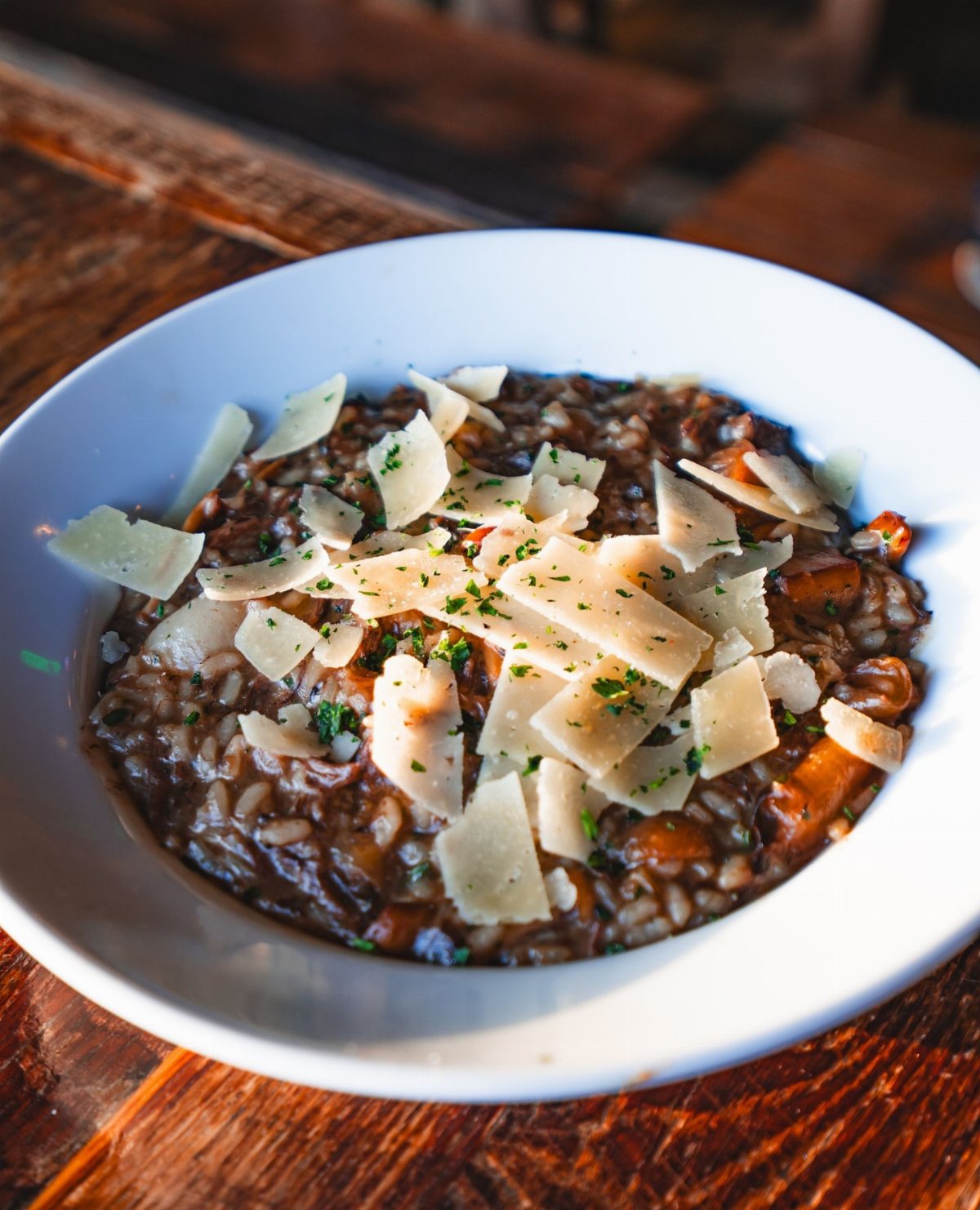
Mushroom risotto reads as fancy without requiring the precision of a sauce that can break. The arborio rice releases starch as it cooks, turning the broth creamy without any cream.
The stirring is real; 30 minutes of it, ladle by ladle, which makes this a poor choice if you’re also managing a roast that needs basting and a gravy that needs whisking.
I assign the risotto to someone else or save it for smaller gatherings.
The dry white wine in the base is standard, though I sometimes use red when the prime rib has a red wine jus, so the plate doesn’t taste like two different meals.
This is the side that fills the plate when someone wants a second helping but the roast is already gone.
6. Baked Creamed Spinach

Baked creamed spinach is the steakhouse move for a reason. The cream and cheese bury any bitterness, and baking sets the top with a light crust that breaks into the soft greens below.
Baby spinach wilts faster and needs less prep than mature bunches; I buy the pre-washed bags and don’t look back. The cream reduces with garlic and a little nutmeg, then the spinach goes in by the handful until it collapses.
A layer of cheese on top browns in the oven, though under the broiler works if you’re in a hurry.
This is the side for someone at the table who won’t touch a green bean but needs something besides meat and starch.
7. Cauliflower Au Gratin

Cauliflower au gratin borrows the French technique of layering thin slices in a cream and cheese sauce, then baking until the top turns golden and bubbly.
Sharp cheddar melts into the cream with butter for a sauce that clings to the florets without drowning them.
The breadcrumb topping adds crunch against the soft vegetable below; I add parsley or green onion to the sauce for a faint herb note that keeps it from reading as pure dairy.
A white baking dish shows the color best, and the whole thing can assemble ahead and bake while the roast rests.
8. Broccoli and Cauliflower Casserole

A full block of Boursin cheese, the shallot and chive kind, melts into the sauce for this broccoli and cauliflower casserole.
That is the shortcut that saves a holiday cook from chopping aromatics and simmering a béchamel while the meat needs basting.
The vegetables steam first, then bake under the cheese until the top browns and the edges bubble. It pairs with roast beef or prime rib, and the whole dish reaches the table in under 1 hour.
Crispy breadcrumbs on top are optional; the cheese crusts well enough on its own.
9. Wedge Salad

Iceberg stays crisp longer than any other lettuce, which matters when a wedge salad sits out during a long roast dinner. The cold crunch cuts through prime rib’s richness the way a pickle cuts through a burger.
I make the dressing from scratch when there is time; garlic confit blended into blue cheese is the version that justifies the effort.
Thick-cut bacon, not crumbles, gives the salad enough heft to register as a side rather than an afterthought. Cherry tomatoes and croutons fill the gaps between wedge and plate.
10. Honey Roasted Butternut Squash

Butternut squash roasted with honey and butter turns soft and caramelized at the edges, the rosemary and pecans adding savory balance so it does not read as dessert.
The squash slices hold their shape on a baking sheet, which makes serving neat even when the kitchen is crowded.
Feta and fresh herbs, as one maker tops theirs, push the dish toward tangy and bright; the honey-butter base stays underneath, adaptable.
A whole squash feeds more people than the usual half, and the prep is mostly peeling and seeding before the oven takes over.
11. Yorkshire Pudding

Yorkshire pudding is a hollow, puffed batter baked in hot fat until the outside crisps and the inside stays custardy.
The traditional English pairing with roast meat exists for practical reasons: it catches every drop of jus or gravy that runs off the plate.
The batter mixes from flour, salt, eggs, oil, and milk, nothing unusual, and bakes in 40 minutes. I pour drippings from the resting roast into each tin so the puddings taste of the meat they will accompany.
The crisp exterior against soft prime rib is the contrast that makes both better.
12. Roasted Brussels Sprouts

Brussels sprouts roasted until the outer leaves char and crisp convert skeptics faster than any boiled version.
Pancetta or bacon renders its fat over the sprouts in the same pan, so the vegetable picks up smoke and salt without needing a separate step.
A drizzle of balsamic vinegar at the end adds acid that pulls the dish back from heavy; pine nuts give crunch if you have them, though they are not required.
The divisive reputation of this vegetable comes from overcooking, not from the sprout itself. A hot oven, 25 minutes, and removal while some green still shows in the center is the trick.
13. Roasted Cauliflower

Roasted cauliflower steaks slice through the whole head in thick slabs that hold together on the pan where florets would fall apart. The cut sides brown and soften while the core stays intact enough to lift onto a plate.
A large baking sheet is what keeps the edges crisp instead of steamed; crowd the cauliflower and it simmers in its own moisture.
I roast with oil, garlic, and whatever hardy herb I have, then top with melted cheese that stretches as one maker describes, the parsley going on after so it stays bright.
The prep is mostly the slicing; the oven does the rest while the roast rests.
14. Air Fryer Carrot Fries

Carrot fries in the air fryer get crisp with a fraction of the oil a deep fryer demands, and the natural sweetness of the vegetable reads as almost savory against prime rib.
The shape is simple: peel, cut to matchstick size, toss in a tablespoon or two of oil and whatever seasoning suits the meal.
I use kosher salt and smoked paprika when the prime rib has a pepper crust, or cumin and coriander for a warmer plate.
The air fryer basket needs a shake midway so nothing sticks and burns; enough time at high heat gets the edges curled and browned.
They cool fast, so I hold them in a low oven if the roast is still resting.
15. Cheddar Biscuits
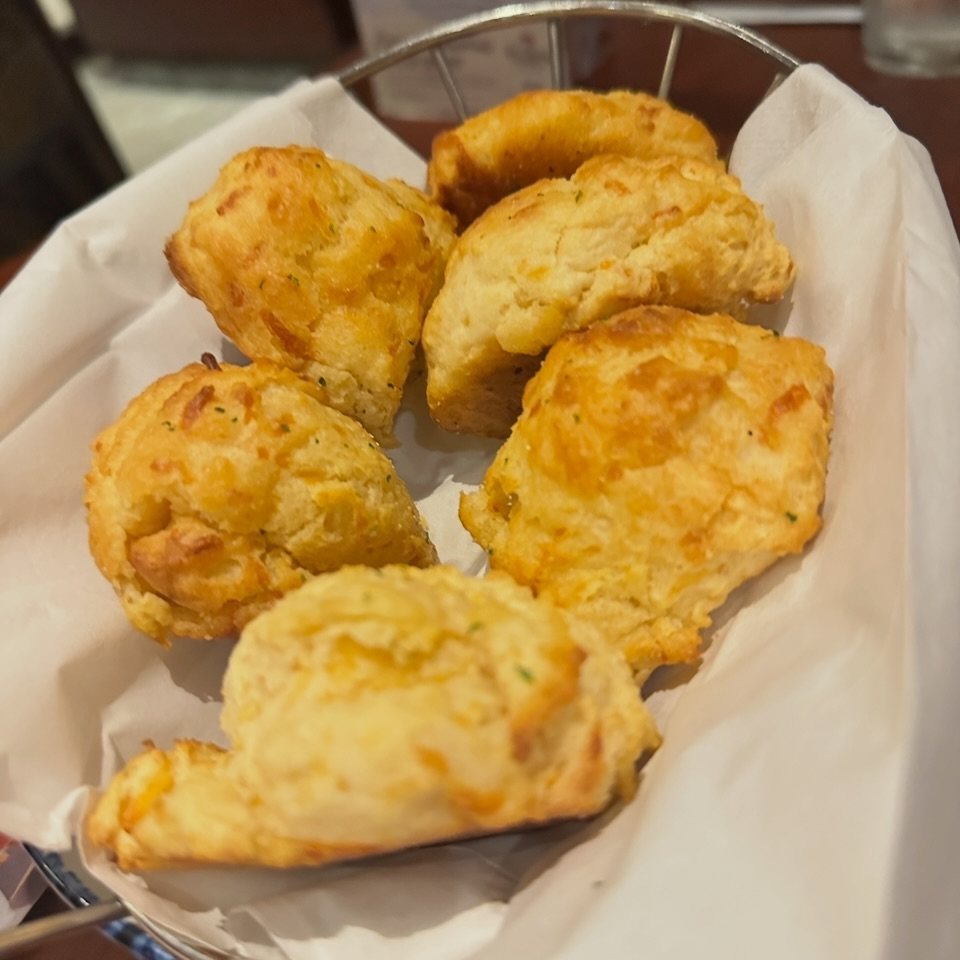
Cheddar biscuits earn their place on a prime rib plate by doing what dinner rolls cannot: soaking gravy without falling apart, their flaky layers separating to catch sauce in the gaps.
The cheese melts into the dough and browns on top, giving a salty crust that stands up to rich meat.
I make these with sharp cheddar, the kind that tastes of something, and cold butter cut in fast so the layers stay distinct.
A pinch of cayenne in the dough wakes up the palate between bites of beef; chives or bacon bits turn them into something that could almost stand alone.
Thirty minutes from mixing to table makes them possible even when the roast demands most of my attention.
16. Hasselback Potatoes
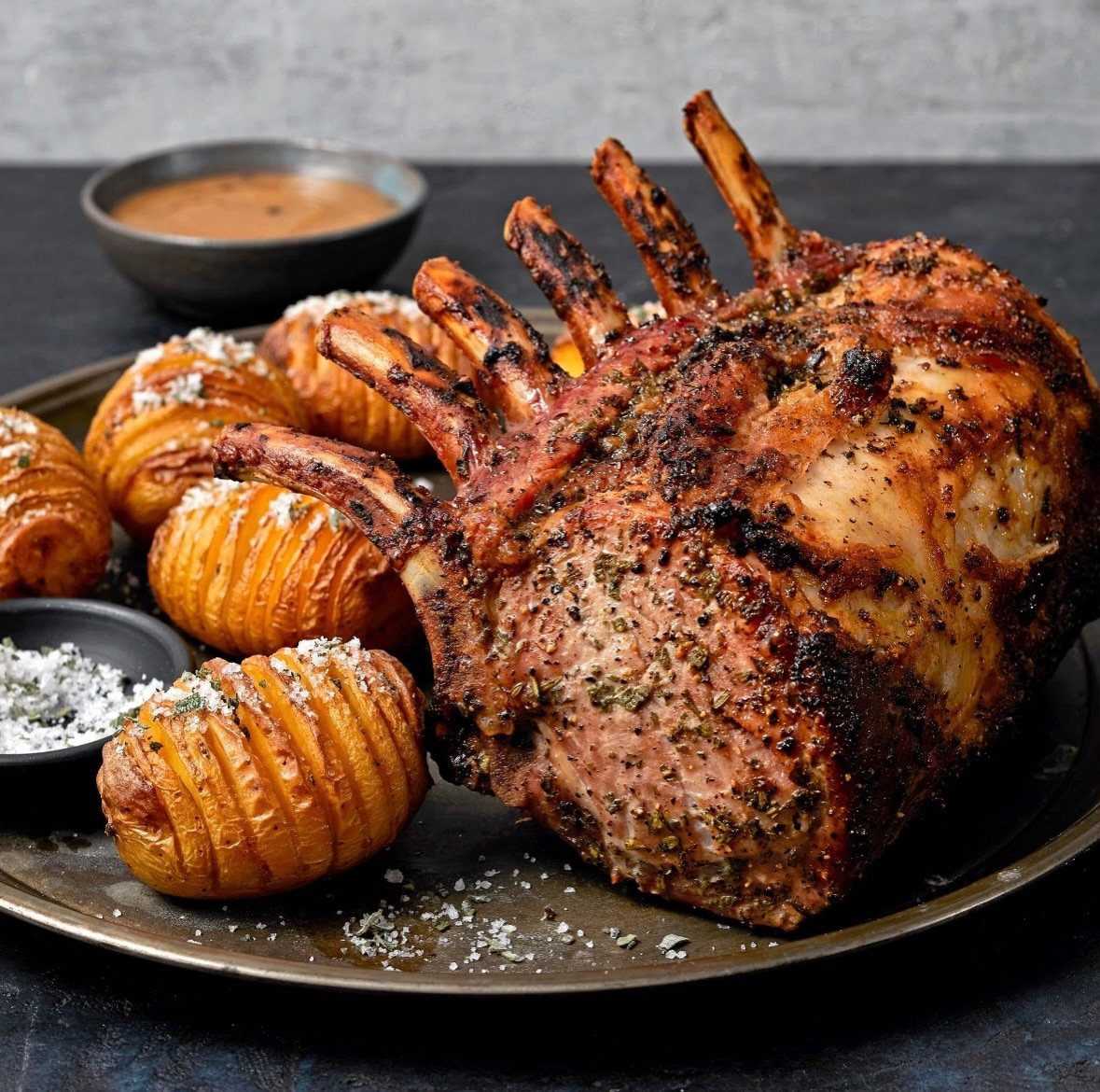
Thin slices across the whole potato, stopped before the bottom, create edges that crisp like chips while the base stays soft and creamy.
Olive oil or butter drizzled between the slices carries salt and herbs to every layer; the fan opens as it bakes, turning one vegetable into a small sculpture.
I par-bake if the potatoes are large, then finish hot while the roast rests, the cut surfaces browning faster than a whole baked potato ever would.
Rosemary and garlic are standard; a dusting of parmesan near the end builds a crust that crackles when you cut in.
The visual appeal is real, but the texture is why I return to this cut when I am tired of mash.
17. Dauphinoise Potatoes

Dauphinoise potatoes simmer first in cream and milk infused with garlic, the slices softening just enough to layer without breaking.
Gruyère between the layers melts into the liquid, which reduces in the oven until the top browns and the interior turns to something almost custard.
This is the potato dish for a double oven or a guest assigned to stovetop sides; it needs an hour at moderate heat, and prime rib already claims the main oven for its own long roast.
Thyme in the cream echoes the same herb on the meat, a small coherence that registers without announcing itself.
Individual ramekins turn the same recipe into a plated restaurant move, though the family dish in its baking pan is how I serve it at home.
18. Savory Sweet Potato Casserole

Sweet potato casserole without marshmallows trades the usual dessert sweetness for breadcrumbs, toasted pecans, and fresh herbs that keep the dish on the savory side of the plate.
The potatoes bake soft, then layer with the crunchy topping so every forkful carries both textures.
I slice rather than mash when I want the casserole to hold its shape on a crowded holiday plate; the orange-maple glaze from one variation works if you want a middle path between sweet and savory, the pomegranate on top adding color more than flavor.
The make-ahead option matters for a meal where oven space and counter space both run short by mid-afternoon.
This is the side for the guest who wants sweet potatoes but not the Thanksgiving standard, or for a host who finds marshmallows on a dinner plate slightly embarrassing.
19. Roasted Acorn Squash
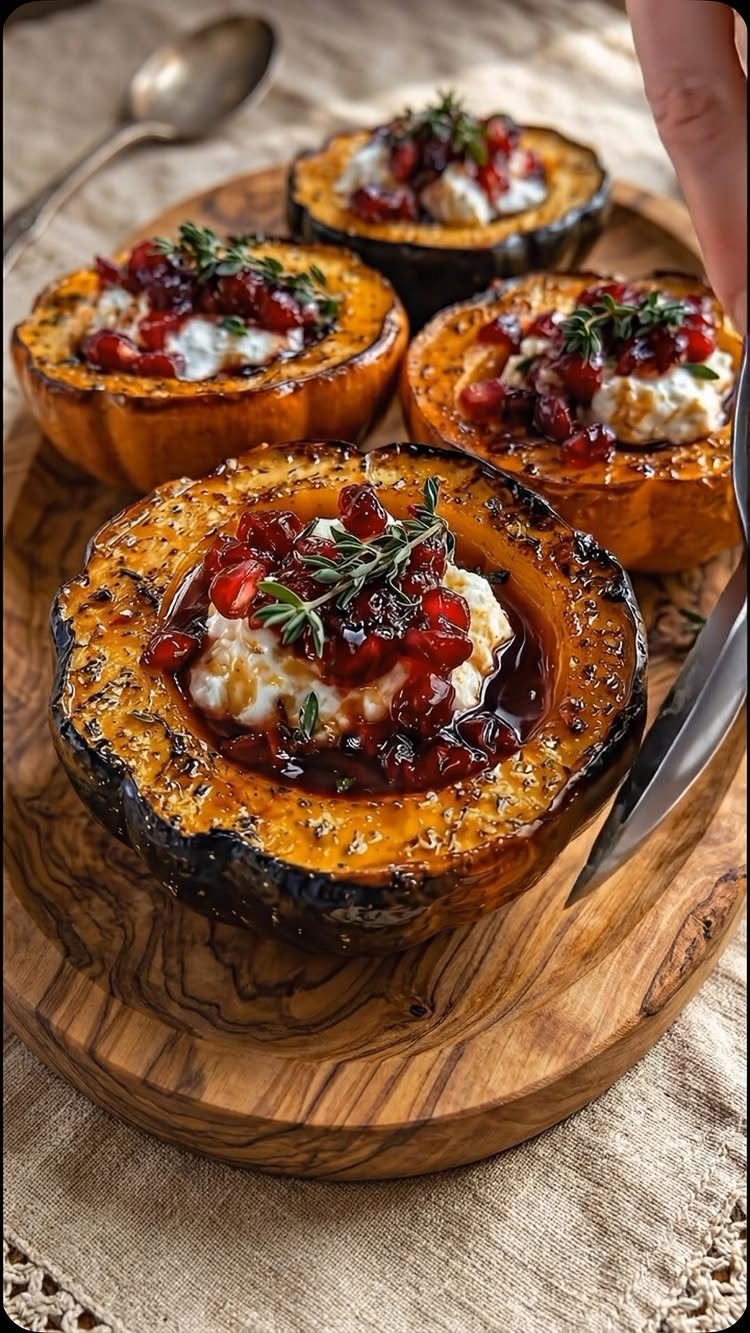
Acorn squash roasted with honey and warm spices brings color to a plate that can otherwise run brown and beige. The natural shape becomes a bowl, which means less serving dish to wash.
I roast halves cut-side down first to soften the flesh, then flip them to hold cheese, pomegranate seeds, and thyme so the toppings stay visible.
The seeds add crunch against the soft squash; their tartness keeps the honey from reading as dessert. Orange zest on top brightens the whole thing, though I skip it when the meal already has citrus elsewhere.
The oven is already hot from the roast, so acorn squash halves can slide in while the meat rests and the temperature drops.
20. Cabbage Salad
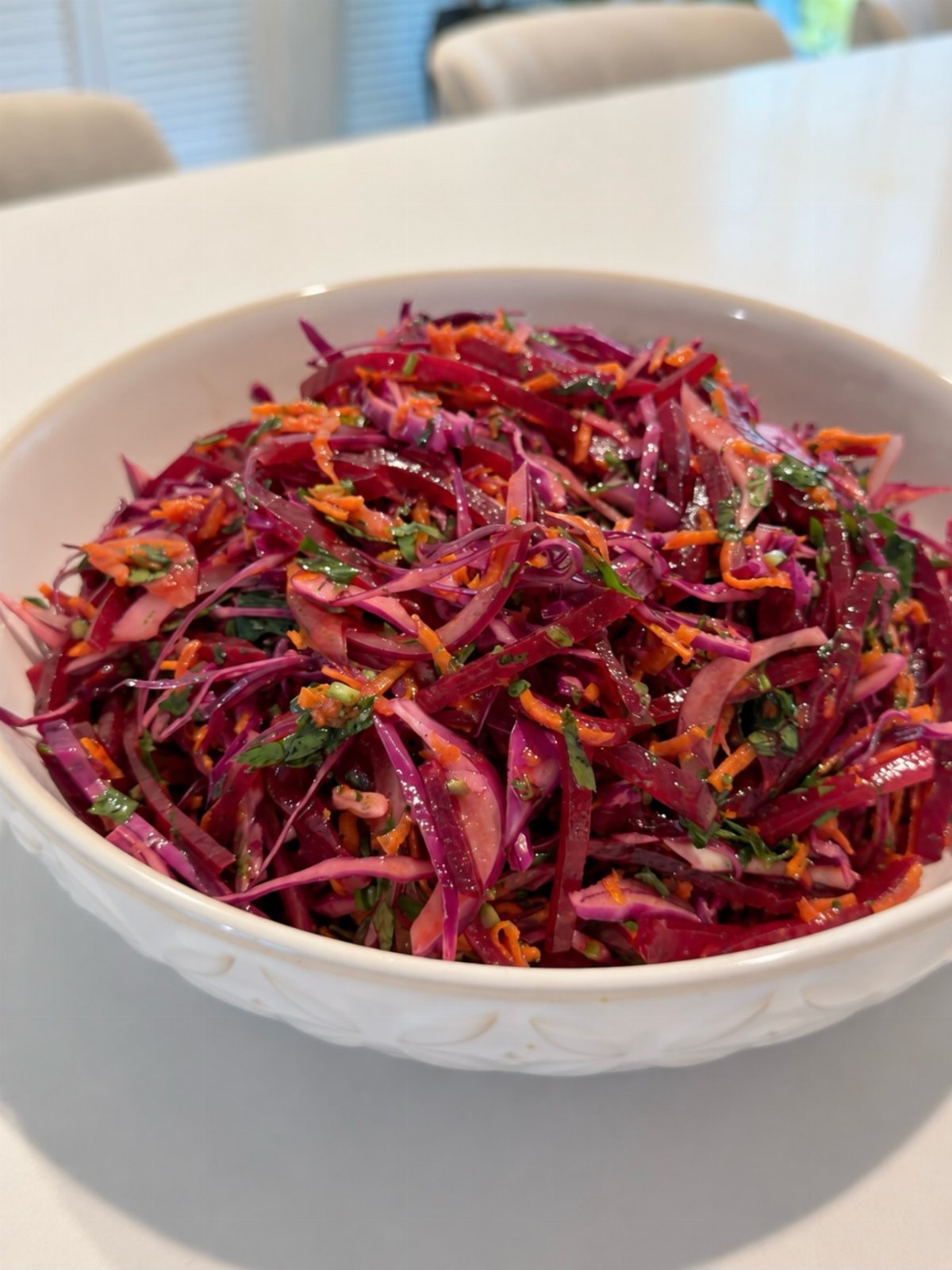
This cabbage salad stays lively for up to 2 days, so I make it ahead and pull it from the fridge when the roast comes out.
Apples and arugula round it out; the arugula wilts slightly in the dressing and becomes easier to eat with a fork.
A simple vinaigrette works, though browned butter with walnuts is the version that makes people ask what is in it.
The cabbage’s purple bleeds a little into the apple if dressed too early, so I keep them separate until the last hour.
This is the side for when the table already has three hot dishes and needs something cold to break them up.
21. Roasted Parsnips

Parsnips roast into something sweeter and more interesting than a potato, their edges caramelizing where the sugars brown. Wedges cut thick hold their shape on the pan; thin slices turn to chips, which is a different dish entirely.
Oil, salt, and a hot oven are enough, though a Madeira glaze with chopped hazelnuts turns them into the kind of side that competes with the main for attention.
I save that version for when the prime rib is simply seasoned, no crust or elaborate sauce. The core stays slightly firm even when the outside is fully colored, which is how I know they are done.
They need a large baking sheet; crowding steams them soft before they brown.
22. Red Wine Reduction

A red wine reduction is not a side dish exactly, but it belongs on this list because prime rib without sauce is a missed opportunity.
I start with shallots and thyme in the wine, let it bubble down by half, then pour in beef broth along with whatever dripped off the roast while it sat; another few minutes of simmering and the spoon comes out with a thin coat that holds.
Butter at the end, swirled off heat, gives the sauce body and shine. I make it in the pan while the roast rests, scraping the fond from the bottom so nothing is wasted.
The whole thing takes about 30 minutes, which is exactly how long a large roast needs to settle before carving.
A Traeger or other grill adds faint smoke; a stovetop pan works when the oven is full.
23. Stuffed Acorn Squash

Stuffed acorn squash turns the vegetable into a complete side that needs no competing starches.
The halves roast until tender, then hold a filling of diced apple, tart cranberry, toasted pine nut, and wild rice that one maker finishes with fresh sage and parmesan.
The rice must be cooked before it goes in; this is a use for leftovers, not a starting-from-scratch project.
I assemble the halves earlier in the day and return them to the oven while the prime rib rests, so everything reaches the table hot. The colors read holiday, though the flavors do not require one.
A sharp knife at the table helps; the skin is edible but tough.
24. Tender Asparagus Spears

Asparagus needs barely 20 minutes and a hot oven to turn bright green and slightly nutty, which is exactly the speed a prime rib dinner demands.
Olive oil and sea salt are enough; the vegetable carries its own flavor without much help.
I roast rather than steam, since the slight char adds interest that plain green does not. Lemon squeezed at the table cuts the fat on the plate, or hollandaise if the meal is special enough to justify the extra pan.
Thick spears hold up better than thin ones during a long rest in a warm kitchen.
This is the side I choose when the plate already has heavy potatoes and a rich sauce and needs something that reads as relief.
Balancing Flavors
Prime rib carries enough fat and richness that the whole plate can collapse into the same weight if every side matches it.
I look for at least one element that cuts rather than adds: lemon on green beans, vinegar on Brussels sprouts, pomegranate against sweet squash.
A sharp note cuts through the fat and lets the next bite of beef read as new.
A completely rich plate also wears out the eater faster. I have watched guests slow down halfway through when everything was cream, cheese, and butter.
A simple salad or roasted vegetable with char and brightness keeps the meal moving. The meat is the indulgence; the sides can frame it without competing in the same register.
Make-ahead Options
Mashed potatoes reheated the day after peeling and boiling taste no different to any guest I have fed; I make them ahead and hold them in a slow cooker or reheat with cream and butter stirred in at the last minute.
The work of peeling and cutting happens when the kitchen is calm, not when the roast needs basting and the gravy needs whisking.
Twice-baked potatoes and casseroles with cheese crusts also improve with a rest; they reheat evenly and free the oven for the main event. The difference in my own stress level is measurable, and nothing on the plate suffers for it.
Texture Variety
A plate of prime rib with mashed potatoes and creamed spinach is soft on soft on soft; pleasant for 3 bites, then monotonous.
I build in at least one crunch: crispy onions on beans, bread crumb topping on cauliflower, bacon on a wedge salad, the crackled edges of roasted Brussels sprouts.
The contrast works in the other direction too. I think about what each forkful will feel like, not just how the individual dishes read on paper.
Cooking Methods
Prime rib claims the main oven for hours at low heat, then a final blast. I plan sides around that reality rather than pretending I have unlimited appliances.
Stovetop risotto or creamed spinach fills the gap when the oven is occupied; air-fried carrot fries or slow-cooker mashed potatoes free the range entirely.
Roasting vegetables in the same hot oven after the meat rests is my default; the temperature is already there, and the timing aligns with carving and sauce finishing. I use the resting period actively, not as downtime.
Two ovens changes the math, but most home kitchens run on one, and the menu should acknowledge that constraint rather than fight it.
When it comes to holiday feasts, nothing earns more applause than a beautifully cooked prime rib (or rib roast). Rich, celebratory, and undeniably impressive, it’s the kind of main that deserves wow-worthy side dishes to accompany it.
Frequently Asked Questions
What would be a good dinner menu with prime rib?
A strong prime rib dinner pairs the roast with one potato dish, one green vegetable, and something crisp or cold to cut the richness.
Mashed potatoes or dauphinoise give the plate something to sink into, roasted Brussels sprouts or green beans break up the color, and a wedge salad or cabbage slaw keeps each bite of beef from wearing out your palate.
What is the prime rib 500 rule?
The method calls for blasting the roast at the highest oven setting to sear the crust, then cutting the heat entirely and letting the closed oven finish the job with what warmth remains.
I have never used this method myself; I prefer low and slow with a final high-heat sear because it gives me more control and I can check the internal temperature without gambling on an oven that is off.
What potatoes go best with prime rib?
Creamy mashed potatoes are the standard, heavy with cream and butter to match the meat’s richness.
Dauphinoise potatoes layered with Gruyère work when I want something more formal, and twice-baked or Hasselback potatoes earn their place at holiday tables where the sides should feel like an event too.
How many people will a 5 lb prime rib roast serve?
A 5 lb prime rib roast serves about 4 to 5 people as a generous main course, or up to 6 if the sides are substantial and appetites are moderate.
I figure 1 lb per person when I want leftovers, which prime rib sandwiches practically demand.