
The lemon recipes here run from a 10-minute curd and no-bake mousse to cakes and bars that need real oven time.
What picks one is how much stove or oven time your day actually has, and whether you need the dish ready tonight or tomorrow.
The salmon with dill goes from raw to served in 20 minutes; the cheesecake skips the water bath but still asks for a spring birthday’s worth of patience.
1. Lemon Cheesecake

Lemon cheesecake lands somewhere between a showstopper dessert and something you can pull off on a Tuesday. Skipping the water bath saves a pan of hot water and the anxiety of whether it seeped through the foil.
A graham cracker crust and homemade lemon curd are the working parts here; the curd gives it that sharp, sunny flavor that reads as more effort than it was.
I like this for a spring birthday or any gathering where you want to bring something that slices cleanly. Store-bought tart shells work if you’re assembling closer to go-time.
2. Lemon Cake

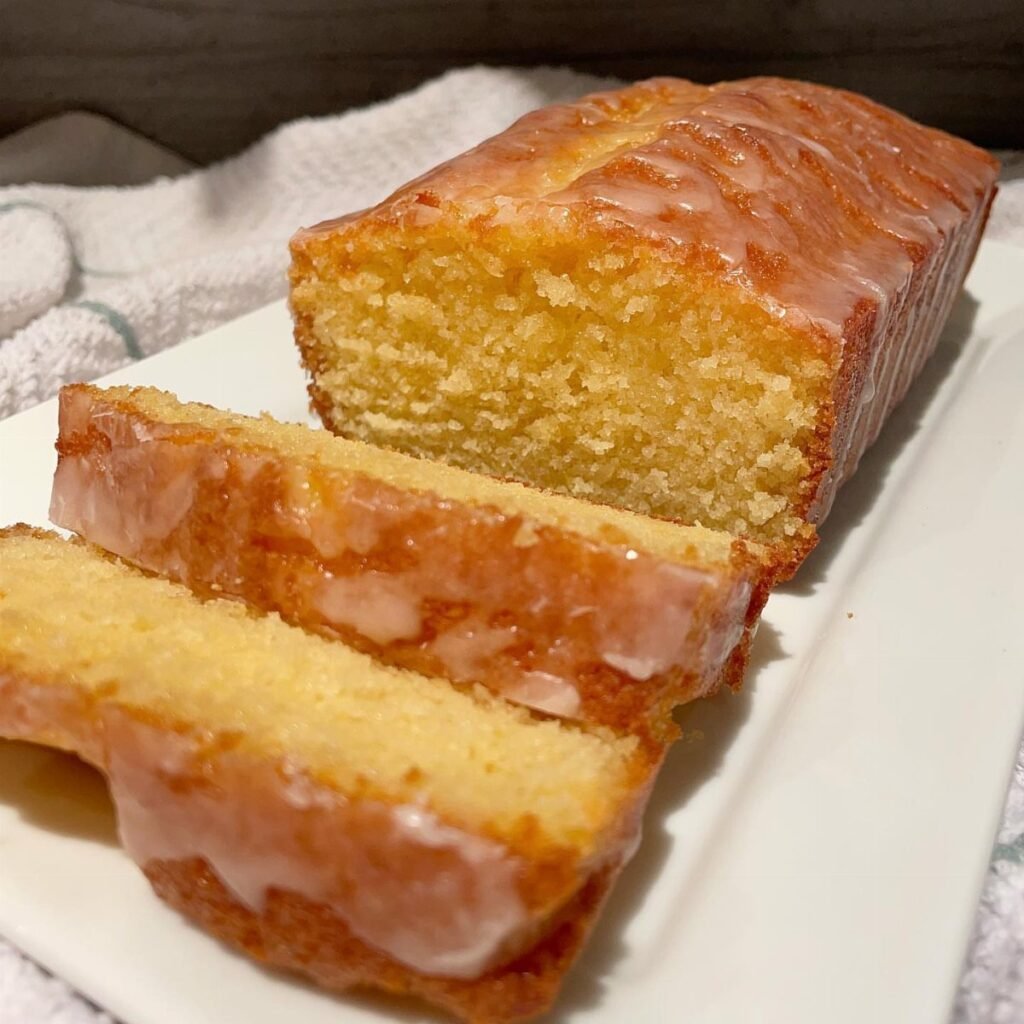
A lemon cake carries its own occasion with it. A loaf glazed white and sliced thick works for a brunch contribution or a quiet afternoon when you want something at the ready.
Pound cake builds a sturdier slice; layer cake with cream cheese frosting leans more celebration. Either way, lemon does the heavy lifting on flavor without asking much of you in decoration.
3. Lemon Bars

The shortbread crust on a lemon bar is where most recipes sink or swim. Done right, it stays crisp under the curd instead of turning to damp paste.
Bars that cut clean matter if you’re packing them for a picnic or setting out a cookie platter. Powdered sugar on top is the finishing move, though I’d wait until the last minute so it doesn’t melt in.
One baker I read presses the crust into a lined square pan, bakes until the center still jiggles slightly, then cools for 3 hours before cutting. That slight wiggle in the center is the signal; overbake and the texture turns rubbery.
4. Homemade Lemonade

Homemade lemonade is one of those things that seems unnecessary until you taste what sugar, water, and fresh lemons actually deliver. Lemonade poured over ice with lemon slices is the summer baseline.
A pinch of salt at the end brightens the whole thing more than you’d expect. I make a simple syrup first so the sugar dissolves clean; cold water and straight sugar always leave grit at the bottom.
For a crowd, start with equal parts lemon juice and syrup, then dilute to your tartness.
5. Lemon Cream Pie

Lemon cream pie fills the same slot as icebox cake: something you can assemble ahead and pull out looking composed.
A slice on a graham cracker crust under whipped cream is the no-bake path if you don’t want to turn on the oven.
The filling folds whipped cream into sweetened condensed milk, lemon juice, zest, and vanilla; the result is fluffy and cold, more cloud than custard. This is the pie for a hot weekend when you need dessert but not a project.
6. Lemon Curd

Lemon curd keeps for weeks in the fridge and fills tart shells, layers between cakes, or spreads on toast. Curd thick enough to drip slow off a spoon is what you make on a Sunday and use all week.
Four ingredients, about 10 minutes at the stove, and you have something for toast, yogurt, pancake filling, or the center of a thumbprint cookie. It keeps in the fridge and tastes like it took more technique than it did.
One batch usually runs out faster than I expect; I double it if I have enough lemons.
7. Lemon Poppy Seed Cookies

Lemon poppy seed cookies carry the same bright, speckled look as the muffins but bake faster and travel better.
The poppy seeds stay crunchy, the lemon comes from zest and juice, not bottles, and the texture lands chewy rather than crisp.
I like these for a cookie swap or a host gift; they stack without sticking and keep for several days. A scalloped cutter dresses them up, though a simple round one works if you’re not in the mood to fuss.
Press the dough a little thicker than you think; thin cookies turn brittle by day 2.
8. Lemon Ricotta Pancakes

Ricotta in pancake batter does the same thing it does in pasta: builds a soft, almost creamy interior without weighing the stack down.
The New York Times version loads in lemon zest, vanilla, and sugar, then fries in a nonstick skillet with just a thin coat of oil.
I use about 1/3 cup batter per cake and keep the heat at medium so the centers cook through before the edges char.
Lemon curd on top is the move for anyone who wants the citrus turned up; blueberry syrup works if you’re feeding someone who prefers mellow.
9. Lemon Pasta
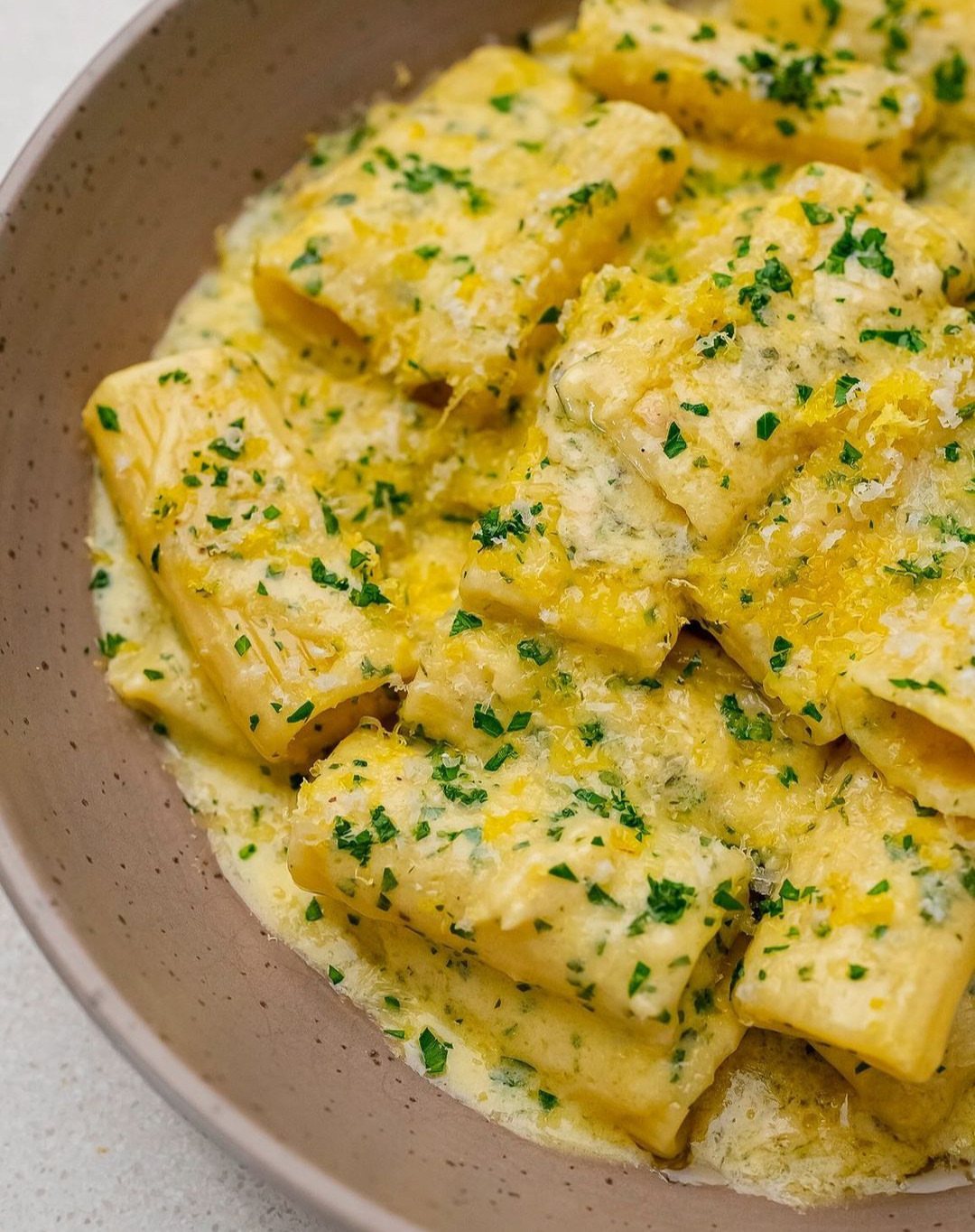
A 30-minute pasta that tastes like spring is worth having in rotation. Rigatoni’s ridges catch the creamy lemon sauce, and the zest on top keeps the first bite as sharp as the last.
Chicken or shrimp can go in if you want protein; without it, the dish stays vegetarian and lighter on the grocery bill.
I make this when the kitchen is too hot for anything that needs the oven, and when I want dinner on the table before anyone gets hungry enough to snack.
Start the water first; the sauce comes together in the time it takes to boil.
10. Lemon Dill Salmon

Salmon with lemon and dill reads as a restaurant plate but clocks about 20 minutes from raw to served. The dill goes in near the end; it loses its green and its punch if it roasts the full time.
I line the baking sheet with lemons underneath the fillets so the fish doesn’t stick and picks up more citrus as it cooks. A side of roasted vegetables on the same pan means one dish to wash.
This is the dinner I make when I want to feel like I cooked properly but only have the energy for one cutting board and one timer.
11. Lemon Zucchini Bread

Zucchini keeps quick bread moist for days, and lemon keeps it from tasting like a health food experiment. Two loaves from one batch is standard; one for now, one sliced and frozen, or one to drop at a neighbor’s.
The glaze sets up glossy and adds a tart snap that the bread itself doesn’t carry.
I grate the zucchini on the fine side of the box grater so the flecks disappear into the crumb rather than landing as green strings.
Carol Funk’s version, from Taste of Home, runs 1 hour 15 minutes and feeds a crowd; scale down if your household finishes one loaf before it goes stale.
12. Lemon Tart
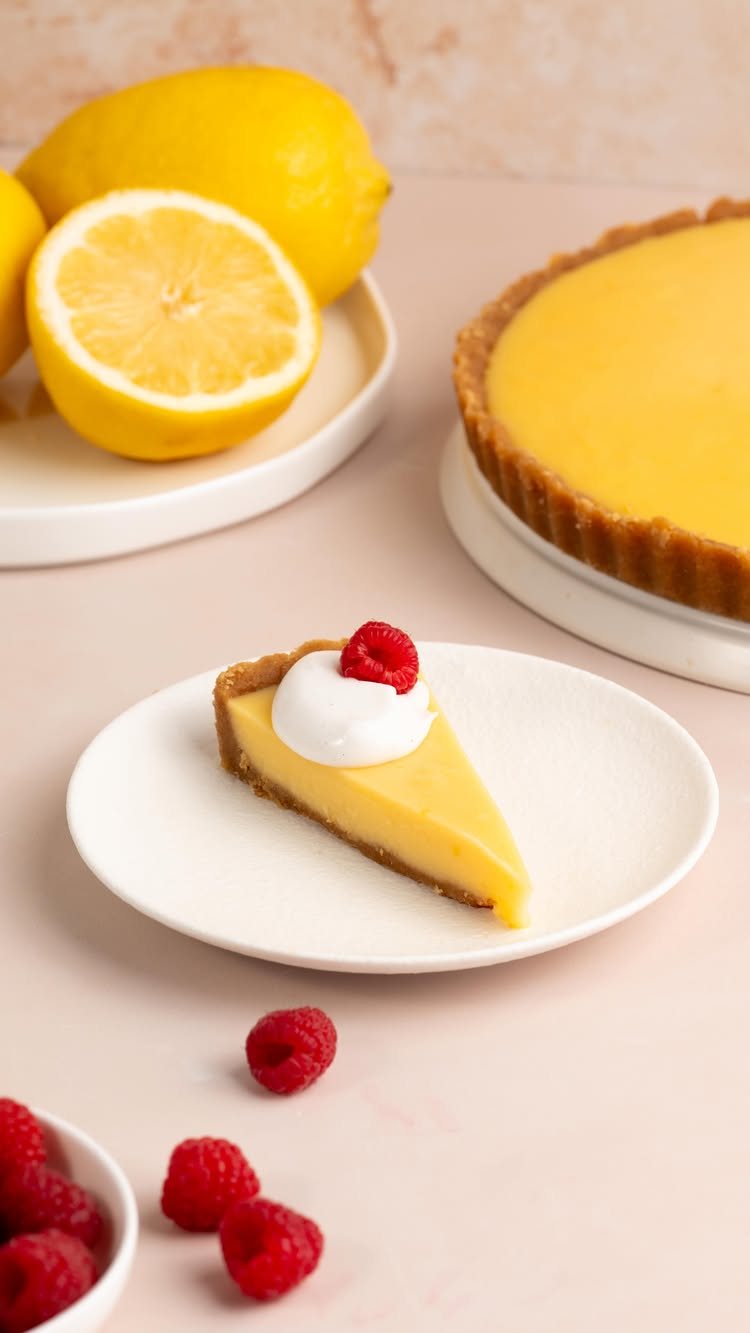
A lemon tart lives or dies on its crust. The food processor needs several minutes of pulsing before the dough comes together; stopping early leaves you with sandy crumbs that won’t hold a shape.
The filling is simpler than it looks: eggs, sugar, lemon juice, butter, cooked until thick. I make this when I want a dessert that looks like I studied pastry but mostly just waited for the oven timer.
Whipped cream and a raspberry on top turn a plain slice into something that belongs on a pink tablecloth; without them, it’s still sharp, cold, and finished.
13. Lemon Poppy Seed Muffins

Lemon poppy seed muffins come together fast without pulling out a mixer, which matters more than you’d think on a morning when you’re already behind.
The batter stirs together by hand; the poppy seeds stay suspended instead of sinking to the bottom if you fold them in last. I use paper liners or grease the tin well, since the sugar in these sticks.
They dome better if the oven’s fully hot when the pan goes in, and they stay moist under a lid long enough that I don’t have to rush through the batch.
The poppy seeds are optional; a plain lemon muffin works just as well when that’s what you have on hand.
14. Lemon Garlic Chicken

Thin-cut chicken breasts finish fast, and a lemon garlic pan sauce built from the drippings turns plain protein into something worth spooning over rice.
I pound the breasts to even thickness so nothing dries out while the rest is still raw; a hot skillet and a quick sear on each side usually does it.
The sauce comes together with butter, garlic, lemon juice, and a splash of stock, reduced until it coats the back of a spoon. Serve this with whatever starch is already in the pantry; the sauce improves all of them.
15. Glazed Lemon Cookies

A round lemon cookie with white icing over the top lands between a shortbread and a sugar cookie in texture, and the glaze sets hard enough to stack.
I roll the dough slightly thicker than usual so the baked cookie carries the icing without crumbling; thin ones crack under the weight.
The glaze is powdered sugar and lemon juice, nothing else, drizzled from a fork tines or a small bag with the corner snipped.
These keep well in a tin and travel without sticking, which makes them my default for mailing or dropping at a friend’s.
16. Lemon Mousse

Lemon mousse sits in the same cold, fluffy territory as lemon cream pie but needs no crust and no baking at all.
Heavy cream whipped to soft peaks folds into lemon curd, sweetened condensed milk, and a little extra juice for sharpness; the mixture sets up in the fridge in a few hours.
I portion it into small ramekins so no one commits to a full bowl of something this rich.
The texture is closer to cloud than custard, and it holds up covered in the fridge long enough to make ahead for a dinner.
A single berry on top is plenty for decoration; the pale yellow does most of the visual work.
17. Fresh Lemon Muffins
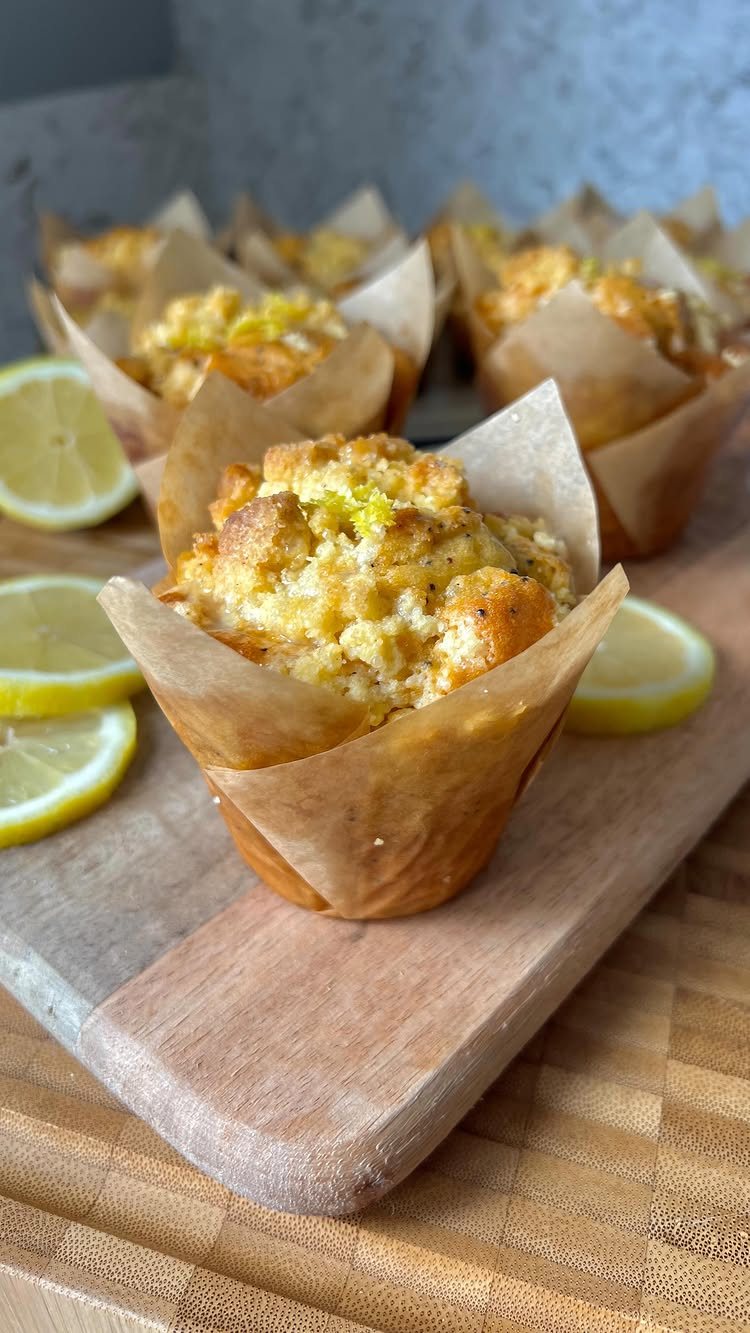
A lemon muffin without poppy seeds is the simpler cousin to the speckled version, and sometimes simple is what the morning calls for.
These bake in standard paper tulip liners, which peel clean and look more finished than plain muffin cups at a brunch table.
The zest on top goes on after baking so it stays bright and doesn’t turn bitter in the oven. I make these when I want the citrus forward but not the crunch; they pair with blueberry jam or stand alone.
One batch fills a standard muffin pan and bakes in the time it takes me to clean the bowl and start coffee.
18. Creamy Lemon Caper Salmon

Salmon in a creamy caper sauce trades the brightness of plain lemon for something richer and brinier, which works when the weather turns or the meal needs to feel more composed.
The fillets simmer in the sauce after a quick sear, so the fish stays intact and the sauce reduces around it. Capers add the salt; cream or crème fraîche adds the body.
I finish with fresh dill, though parsley works if that’s what I have. This needs a starch to catch the sauce; buttered egg noodles or a plain rice are enough.
One skillet and the dish looks like it took more planning than it did.
Using Fresh Lemons
Fresh lemon juice carries a brightness that bottled versions flatten out. The bottled stuff reads sharper on the tongue and can elbow past other flavors unless you pull back the quantity.
When a recipe needs more lemon presence than the juice delivers, zest is the lever. A microplane takes off the yellow outer layer and leaves the white pith behind; that pith is where the bitterness lives.
Some bakers add lemon oil or extract for insurance, especially in cakes where the citrus can go quiet.
If you’re staring down a bag of lemons with no plan, lemonade is the fastest drain. The byproduct is worth making too: freeze the squeezed juice in ice cube trays and you have concentrate for months.
My own mistake was zesting too fast and dragging pith into a curd. The batch tasted like furniture polish.
Now I rotate the lemon as I go, not the tool.
Whether you’ve got a glut of lemons or you’re just looking to make a kitchen staple shine in new ways, these lemon recipes won’t disappoint.
Lemon in Savory Dishes
Lemon’s role in savory food is less about adding lemon flavor and more about waking everything else up. The acid cuts through fat and resets your palate between bites.
Chicken takes to it most naturally. The same move works for salmon, though dill handles the finishing instead of garlic.
In pasta, lemon does the sauce work without cream’s weight. The zest goes on at the end so the first bite carries the oil as sharply as the last.
Preserved lemons push further into savory territory. The traditional method needs 3 weeks; a faster version clocks 30 minutes and still delivers that concentrated, mildly tart punch.
Either way, the rind softens and the salt amplifies what fresh juice can’t reach. I use them in vinaigrettes where I want the lemon to stay put instead of sliding off the greens.
Lemon Storage Tips
Room temperature keeps lemons usable for about a week if the kitchen runs cool. The fridge buys more time, though the rind hardens slightly and yields less zest.
For long-term, freeze whole lemons or juice in ice cube trays. Frozen whole, they grate easily into zest even after months; the texture goes soft, but the flavor holds.
Preserved lemons are the project option. The traditional salt-pack method needs at least 3 weeks before the rinds soften and the flavor concentrates.
A faster 30-minute version exists for when you need them now, though the depth isn’t identical. Either way, the result keeps for months in the fridge and delivers an intensity fresh juice can’t match.
I keep a jar of preserved lemons for vinaigrettes and roasted fish. The wait was the hardest part; now I start a new batch before the old one runs low.
Lemon Zest Usage
A microplane is the right tool for zest: fine teeth, shallow bite, and the pith stays on the lemon. Box graters grab too deep; knives require a steadier hand than I bring before coffee.
The yellow zest holds the oils. The white pith underneath reads bitter and lingers past where you want it to.
Rotate the fruit as you work; going back over the same spot risks dragging pith.
In baked goods, lemon flavor can disappear behind butter and sugar. Zest added to the sugar before creaming helps, since the abrasion releases the oil.
Some bakers add lemon extract as backup, though the zest should do the heavy lifting.
For savory dishes, roasted lemon or grilled lemon pushes the flavor in a different direction than fresh zest. The heat caramelizes the sugars and deepens the bitterness into something complex.
I slice lemons thin, roast until the edges char, and use them in chutneys or as a finish for fish.
Frequently Asked Questions
What can I do with a lot of lemons?
Lemonade drains a bag fastest, and the squeezed juice freezes into ice cube trays for months of concentrate.
Beyond drinks, lemons split cleanly between sweet and savory: curd, bars, cheesecake, and muffins on one side; pan sauces, roasted fish, pasta, and preserved lemons on the other.
I double my curd batch when I have enough lemons, since one usually disappears faster than I expect.
Can I freeze lemons for later use?
Yes. Whole lemons freeze fine, and the rind still grates for zest months later even if the flesh goes soft.
Refrigerating stretches shelf life past the counter, though the peel toughens and you get slightly less zest from it. Preserved lemons last the longest and bring a depth that fresh juice never quite reaches.